.
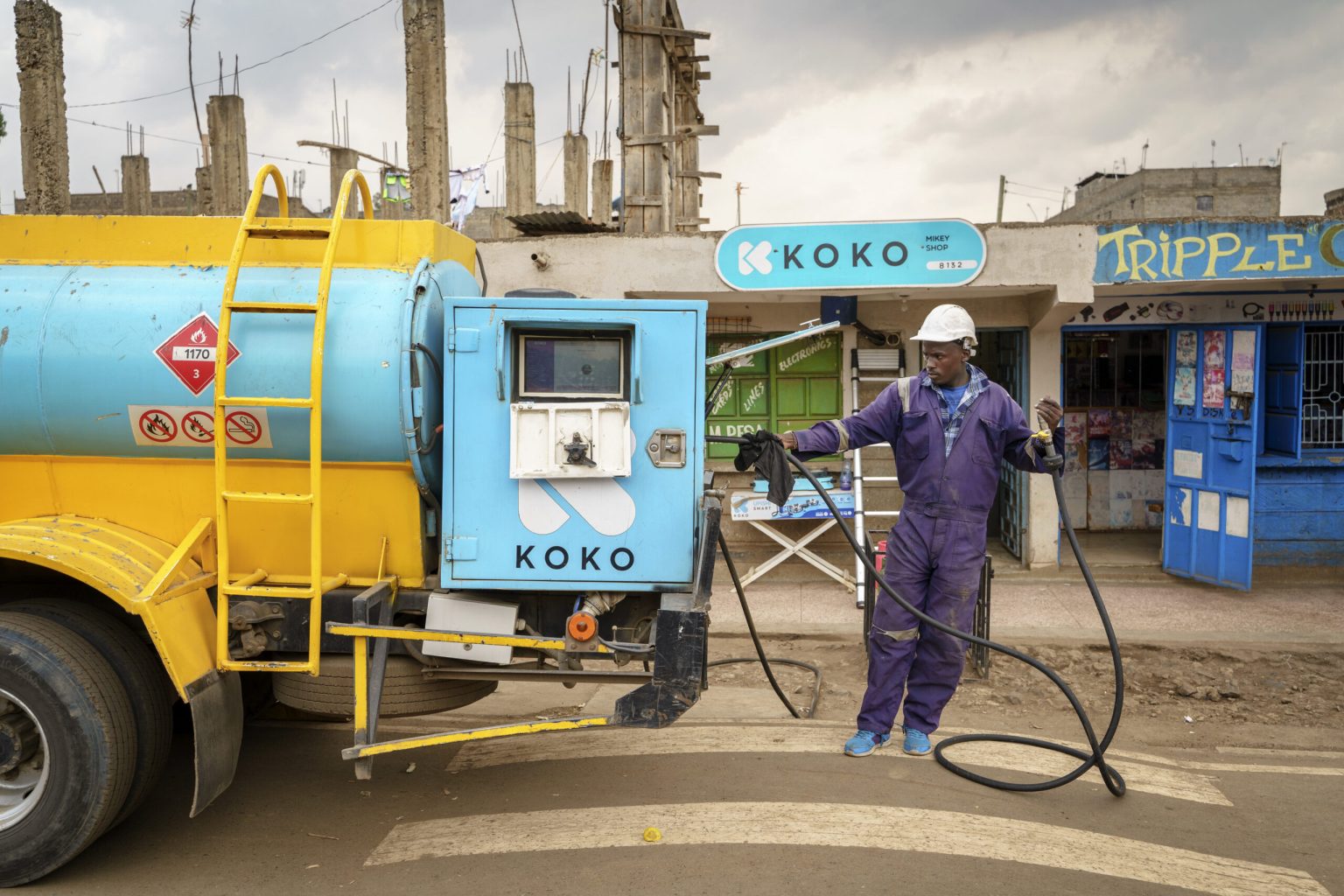
KOKO Networks’ carbon-credit business is struggling to attract a buyer six months after the Kenyan clean-cooking company collapsed, underscoring the mounting challenges facing a once-promising climate-tech business model.
KOKO Networks UK, the British arm of the Kenya-founded clean-cooking company, has reportedly failed to secure a buyer for its portfolio of carbon credits, leaving one of the group’s most valuable assets without an immediate exit.
The development comes after KOKO Networks shut down its Kenyan operations earlier in 2026, ending a business that had built a large clean-cooking distribution network while relying heavily on carbon-credit revenues to support its operations.
The company’s UK entity had served as the group’s carbon-credit vehicle, selling credits generated from KOKO’s clean-cooking activities and providing financial support to the wider business.
However, the collapse of the operating business and unresolved regulatory issues have made the carbon assets considerably harder to monetise.
Carbon Credits Become a Stranded Asset
Carbon credits were central to KOKO’s business model.
The company promoted ethanol-based cooking as a cleaner alternative to charcoal and kerosene, particularly for households in Kenya. The emissions reductions generated by that transition could then be converted into carbon credits and sold to companies seeking to offset or account for their emissions.
The additional revenue stream helped KOKO keep its clean-cooking fuel affordable while supporting the expansion of its distribution infrastructure.
But the model depended on KOKO being able to sell those credits internationally.
That became increasingly difficult after the company failed to secure the necessary Letter of Authorisation from the Kenyan government, a regulatory requirement for certain international carbon-credit transactions.
Without the government authorisation, the credits faced a significant limitation in the international market, weakening one of KOKO’s most important revenue channels.
Regulatory Dispute Hits KOKO’s Business Model
The carbon-credit problem was closely linked to a wider regulatory dispute between KOKO and the Kenyan authorities.
KOKO had built its expansion strategy around the assumption that carbon finance would remain an important source of revenue. The inability to obtain the required approval, however, created a major financial gap.
The consequences eventually extended beyond the carbon business.
In January 2026, KOKO Networks shut down its Kenyan operations and laid off its entire workforce of more than 700 employees, bringing an abrupt end to its operations after years of building a clean-cooking network across the country.
The shutdown transformed the carbon credits from an operating-company revenue stream into an asset that administrators now have to monetise independently.
Administrators Search for Buyers
The latest development is part of a broader effort to wind down or sell KOKO’s remaining assets.
Administrators began marketing the company’s assets earlier in 2026, seeking buyers for the technology, intellectual property and infrastructure accumulated during its years of operation.
The assets reportedly include KOKO’s patents, software, hardware designs, clean-cooking technology, manufacturing capabilities and fuel-distribution infrastructure.
KOKO had built a network of more than 3,000 automated fuel stations across Kenya, giving potential buyers access to a substantial physical and technological footprint.
However, the lack of interest in the carbon credits illustrates how difficult it can be to separate a carbon asset from the regulatory and operational framework that generated it.
KOKO Once Posted $50.5m Carbon Revenue
The scale of the reversal becomes clearer when compared with KOKO’s earlier financial performance.
In 2025, KOKO Networks UK reported $50.5 million in revenue, reflecting the significant contribution of carbon-credit sales to the group’s financial model.
The company had appeared to be building a potentially scalable climate-tech business around the intersection of clean cooking and carbon finance.
That trajectory changed rapidly following the regulatory setback in Kenya.
The subsequent collapse demonstrates the vulnerability of businesses whose economics depend heavily on carbon markets, particularly where access to international buyers is dependent on government approvals and evolving climate regulations.
What KOKO’s Collapse Means for Africa’s Carbon Market
KOKO’s experience offers a warning for Africa’s rapidly developing carbon-credit ecosystem.
Across the continent, startups and project developers are increasingly looking to carbon markets as a source of financing for renewable energy, clean cooking, agriculture, forestry and other climate-related projects.
But the KOKO case shows that generating carbon credits is only one part of the equation.
Projects also need credible verification, regulatory backing, clear ownership structures and access to buyers willing to purchase the credits.
In Nigeria, for instance, authorities are currently working to establish clearer host-country approval criteria for carbon-market projects as the country seeks to develop its own carbon market.
The National Council on Climate Change has said Nigeria’s framework must protect national interests while providing credible investors and project developers with certainty.
A Difficult Exit for KOKO
For KOKO Networks, the immediate challenge is no longer building a clean-cooking network but determining how much value can still be recovered from the assets left behind.
The search for buyers continues, but the inability to find a purchaser for the carbon-credit portfolio six months into the company’s wind-down highlights the uncertainty surrounding the assets.
The case also raises a broader question for Africa’s climate-tech sector: can carbon finance remain a dependable foundation for clean-energy businesses when regulatory approvals, market demand and credit valuations can change rapidly?
For potential investors, KOKO’s experience is likely to reinforce the need to assess not only the environmental value of carbon projects but also the regulatory infrastructure and commercial demand supporting the credits.
For the African carbon market, meanwhile, the collapse could become an important case study in why credible rules, transparent approvals and reliable buyers are essential if carbon finance is to move from a promising climate solution into a sustainable source of long-term capital.