






.
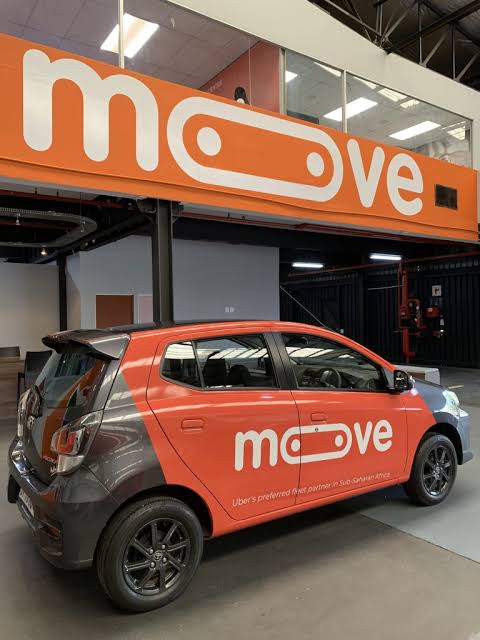
Nigerian-founded mobility fintech Moove is winding down its operations in Nigeria after six years, with the company transferring full ownership of eligible vehicles worth approximately ₦35 billion to existing customers at no additional cost.
The unusual exit arrangement means customers who qualify for the vehicle transfer will own the cars outright, with no further payments to Moove required for the vehicles from October 1, 2026.
The decision marks a major shift for the company, which was founded in Lagos in 2020 to address one of Nigeria’s biggest barriers to participation in the ride-hailing economy: limited access to vehicle financing.
Moove confirms Nigeria exit
Moove said it will conclude its Nigerian operations six years after launching in the country, bringing to an end a business model built around financing vehicles for mobility entrepreneurs.
The company’s Nigerian operation provided drivers with access to cars through revenue-based financing, allowing repayments to be linked to earnings generated from mobility and delivery activities.
As part of the wind-down, Moove has opted to transfer eligible vehicles to existing customers instead of requiring them to continue making payments.
The total value of the vehicles involved is estimated at ₦35 billion, making the customer handover one of the most significant elements of the company’s Nigerian exit.
Customers to receive vehicles at no cost
Under the arrangement, customers whose vehicles qualify will receive full ownership of the cars without making additional payments to Moove.
The company stated that the transfer took effect from October 1, 2026, meaning eligible customers no longer owe Moove further payments specifically for the vehicles.
The move could provide substantial relief for drivers who have spent years making repayments under Moove’s vehicle-financing arrangements.
It also represents a sharp departure from the conventional end-of-financing process, where customers would ordinarily complete outstanding obligations before taking full ownership of financed assets.
From Lagos startup to global mobility player
Moove was founded in Lagos by Ladi Delano and Jide Odunsi in 2020 and initially focused on solving the vehicle-access problem confronting ride-hailing drivers.
The company used technology and productivity data to develop revenue-based vehicle financing, targeting mobility entrepreneurs who often struggled to secure conventional bank loans.
Moove says its broader mission is to democratise vehicle ownership for mobility entrepreneurs, and the company has since expanded well beyond its Nigerian roots.
Its international expansion has included vehicle financing, ride-hailing fleet operations and, more recently, autonomous mobility.
Moove’s global business has moved upmarket
The Nigeria exit comes at a time when Moove is undergoing a major transformation globally.
In August 2026, the company raised $250 million in Series C funding, lifting its valuation to approximately $2.1 billion. The round was led by Mubadala Investment Company, with Woven Capital and Ion Pacific participating as co-leads.
The fundraising underscored Moove’s shift from an Africa-focused vehicle-financing startup into a broader global mobility infrastructure company.
The company currently operates a large human-driven ride-hailing fleet while also expanding into autonomous vehicles and robotaxi infrastructure.
TechCrunch reported that Moove operated about 42,000 vehicles across 14 countries and employed roughly 3,300 people globally at the time of its Series C announcement.
Exit follows Uber’s Nigerian departure
Moove’s withdrawal also follows a major change in the Nigerian ride-hailing market.
Uber ended its ride-hailing operations in Nigeria on September 2, 2026, removing the platform that had historically been central to Moove’s Nigerian vehicle-financing model.
Moove had been closely connected to Uber, with drivers financed through its platform operating within Uber’s ecosystem.
Reports following Uber’s departure indicated that Moove had begun allowing Nigerian drivers to use other ride-hailing platforms, including Bolt and inDrive, as the company sought to adapt its model after the loss of its major ride-hailing partner.
The subsequent decision to exit Nigeria now brings the company’s domestic vehicle-financing chapter to a close.
What the exit means for Nigerian customers
For existing customers, the immediate impact is significantly different from what might normally be expected from a company winding down operations.
Rather than leaving drivers with vehicles subject to continued financing obligations, Moove’s arrangement gives eligible customers outright ownership of cars valued collectively at about ₦35 billion.
The transfer could also change the financial position of thousands of mobility entrepreneurs, particularly those who depended on ride-hailing income to meet vehicle repayments.
However, the announcement currently provides limited public detail on the full eligibility criteria, the number of vehicles covered and how customers should complete the ownership-transfer process.
Those details will be important as customers seek clarity on documentation, vehicle registration, insurance and other obligations that may arise after Moove’s withdrawal.
A significant end to Moove’s Nigerian chapter
Moove’s Nigerian exit is notable because the country was the starting point for a company that has since developed into a multibillion-dollar global mobility business.
The company began with a relatively straightforward proposition help drivers who lacked access to traditional credit acquire vehicles and used Nigeria as the foundation for its international expansion.
Six years later, its decision to leave the market while transferring approximately ₦35 billion worth of vehicles to customers reflects both the changing economics of Nigerian ride-hailing and Moove’s increasingly global strategic direction.
For Nigerian customers, however, the immediate story is less about the corporate exit and more about what happens to the cars they have been paying for.
With eligible vehicles now being transferred outright, Moove’s departure could leave thousands of drivers with one of the most valuable assets they have acquired through the platform without further vehicle payments to the company.