.
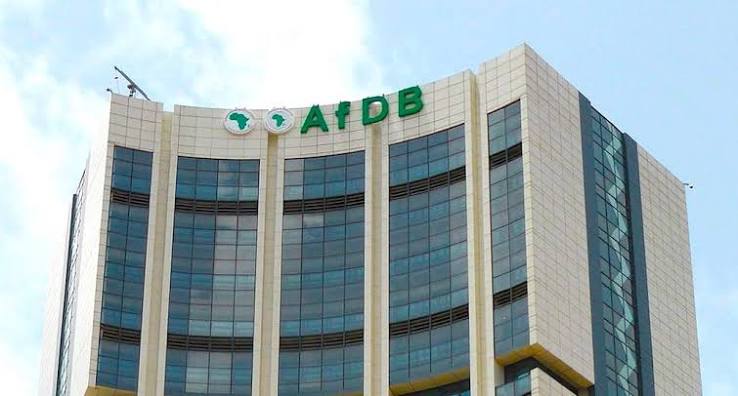
The Federal Government of Nigeria and the African Development Bank (AfDB) have agreed to conduct a joint technical review of the bank’s $6.2 billion project portfolio in the country, as both sides seek to address implementation delays and accelerate the delivery of development projects.
The agreement was reached on Monday, October 12, 2026, during a meeting between Nigeria’s Minister of Finance and Coordinating Minister of the Economy, Taiwo Oyedele, and AfDB President Sidi Ould Tah on the sidelines of the 2026 International Monetary Fund (IMF) and World Bank Group Annual Meetings in Bangkok, Thailand.
According to a statement from the Federal Ministry of Finance, the review will focus on identifying obstacles to project implementation, improving delivery timelines and ensuring that ongoing operations align more closely with the Federal Government’s development priorities.
The move comes as Nigeria seeks to maximise the benefits of its development-financing relationship with the regional lender while addressing persistent challenges associated with project execution and the effective use of committed funds. <Cite refs={[“turn963677search0″,”turn963677search4”]}/>
Project Delays and Funding Utilisation Under Scrutiny
The planned review is expected to examine the performance of AfDB-supported projects and identify areas where administrative, financial or operational challenges have slowed implementation.
The bank’s Nigeria portfolio was valued at approximately $6.2 billion in a review published by Nairametrics in June 2026. The assessment covered 53 operations and indicated that about $3.3 billion had been disbursed, representing an overall disbursement rate of approximately 53%.
This means a substantial portion of the committed financing had yet to be disbursed at the time of that assessment, highlighting the importance of resolving bottlenecks that can prevent approved projects from progressing as planned. <Cite refs={[“turn963677search4”]}/>
Challenges identified in the bank’s 2025 Country Portfolio Performance Review included delays in counterpart funding from government agencies, slow procurement processes, limited implementation capacity and environmental and social safeguard requirements.
Newly approved projects can also experience start-up delays, while exchange-rate movements and rising implementation costs may complicate project delivery.
The joint review is expected to help Nigeria and the AfDB identify practical solutions to these challenges and improve the pace at which development financing translates into completed infrastructure and other economic benefits. <Cite refs={[“turn963677search3″,”turn963677search4”]}/>
Nigeria Reaffirms Commitment to AfDB Partnership
During the meeting, Oyedele reaffirmed Nigeria’s intention to remain the AfDB’s largest shareholder and fulfil its capital subscription obligations.
He said the longstanding relationship between Nigeria and the bank should deliver stronger development-financing outcomes and more tangible economic benefits.
Nigeria’s position reflects the importance of the AfDB as a source of funding for infrastructure, agriculture, energy, private-sector development and other areas linked to economic growth.
For the government, improving the performance of existing projects is particularly important because the impact of development financing depends not only on the amount approved but also on how efficiently funds are deployed and projects are completed.
The review could therefore help strengthen accountability among implementing agencies and improve coordination between the federal government, state-level institutions and other stakeholders responsible for executing AfDB-supported operations. <Cite refs={[“turn963677search0″,”turn963677search3”]}/>
AfDB President’s Visit to Nigeria Planned
Nigeria and the AfDB also agreed to prepare for an official visit to the country by Ould Tah.
The proposed visit is expected to include engagements with President Bola Ahmed Tinubu, senior government officials and other stakeholders to discuss Nigeria’s development priorities and future cooperation with the bank.
The discussions are intended to deepen the partnership and establish areas where AfDB financing and technical support can contribute more directly to the government’s economic objectives.
The visit will also provide an opportunity to review progress on ongoing programmes and discuss additional areas of cooperation. <Cite refs={[“turn963677search0″,”turn963677search1”]}/>
Nigeria Backs AfDB’s Four-Point Strategic Agenda
Oyedele also expressed support for the AfDB’s Four Cardinal Points agenda under Ould Tah’s leadership.
The framework focuses on closing Africa’s financing gap, strengthening the continent’s financial sovereignty, harnessing its demographic dividend and building resilient infrastructure through the local transformation of natural resources.
According to the Finance Ministry, Nigeria considers these priorities broadly consistent with its own development objectives.
The agenda places emphasis on mobilising capital, strengthening African financial systems, creating opportunities for a growing population and increasing the value derived from the continent’s natural resources.
For Nigeria, alignment with these priorities could help direct development financing towards projects with stronger potential to support productivity, job creation and long-term economic resilience. <Cite refs={[“turn963677search0”]}/>
Credit Ratings and Financing Costs Also Discussed
The meeting extended beyond project implementation to the high cost of borrowing faced by African countries.
Oyedele argued that international sovereign credit ratings do not always adequately reflect improvements in economic fundamentals and reform performance, potentially increasing financing costs for countries such as Nigeria.
In response, Ould Tah disclosed that the AfDB was developing a facility to provide African governments with technical and analytical support in their engagement with credit rating agencies.
The proposed facility is intended to help governments present credible economic data and challenge assessments where there are grounds to do so.
Both sides also discussed African financial integration, local-currency transactions, trade insurance and credit-enhancement mechanisms that could reduce investment risks and encourage private-sector participation.
They further highlighted the importance of retaining skilled professionals within Africa to support the continent’s development and economic transformation. <Cite refs={[“turn963677search0″,”turn963677search1”]}/>
Execution Will Determine the Portfolio’s Impact
The planned review represents an effort to move beyond financing commitments towards stronger project execution and measurable development outcomes.
While the AfDB’s portfolio provides a substantial source of funding for Nigeria, delays in procurement, counterpart funding and implementation can limit the speed at which communities and businesses benefit.
The success of the exercise will depend on whether the government and the bank can translate their findings into clear corrective actions, stronger project monitoring and more effective coordination among implementing agencies.
For Nigeria, accelerating delivery could improve the use of existing development resources, strengthen infrastructure and support economic activity without relying exclusively on new financing commitments.
The joint review will therefore serve as an important test of the country’s ability to turn its partnership with the AfDB into faster project completion and more visible development gains.