

.
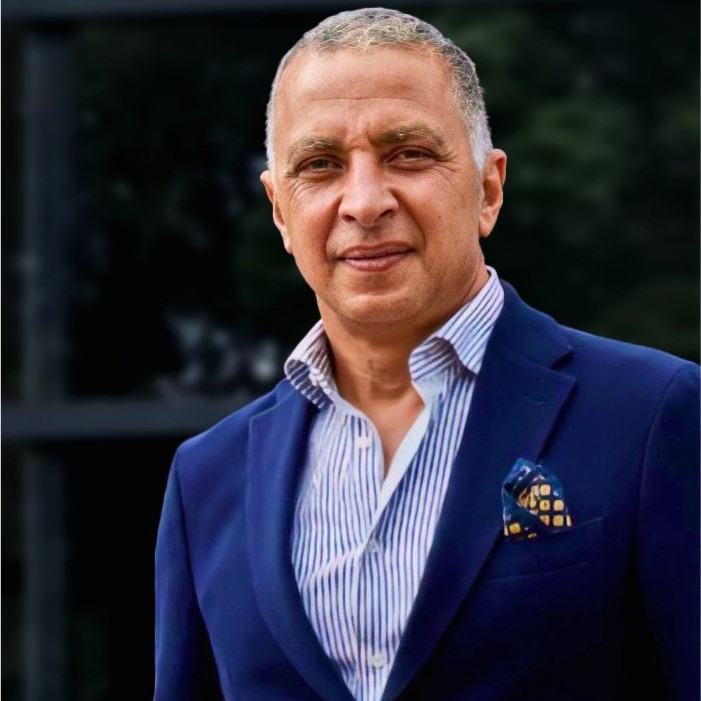
Egyptian industrial giant Elsewedy Electric, led by billionaire businessman Ahmed Elsewedy, has secured a $2.2 billion engineering and construction contract alongside China’s Sinohydro to expand Saudi Arabia’s Rabigh 2 Independent Power Plant, in a deal expected to add 2.3 gigawatts (GW) of electricity generation capacity to the kingdom’s national grid.
The agreement, announced on October 14, 2026, covers the engineering, procurement and construction (EPC) of a natural gas-fired power plant using combined-cycle technology. The project is scheduled to commence commercial operations in May 2029.
The contract was awarded by Al Mourjan Two for Electricity Company, a project vehicle established by Saudi energy developers ACWA Power and Saudi Energy, formerly known as Saudi Electricity Company.
The project represents a significant international infrastructure win for Elsewedy Electric and reinforces the growing participation of African-founded industrial companies in major energy developments across the Middle East.
$2.2bn Deal Moves Rabigh 2 Into Full-Scale Execution
Under the agreement, Elsewedy Electric Power Systems Projects and Sinohydro will jointly oversee the design, engineering, procurement, equipment installation, construction, commissioning and performance testing of the expanded facility.
Their responsibilities also include associated civil engineering works and connecting the plant to Saudi Arabia’s national electricity grid.
The facility will feature six Siemens SGT6-5000F gas turbines and two Siemens SST-5000 steam turbines. Six heat recovery steam generators, cooling infrastructure and supporting mechanical, electrical and control systems will also form part of the installation.
The combined-cycle configuration is designed to improve power-generation efficiency by using heat produced by the gas turbines to generate additional electricity through steam turbines.
The project had already entered its early construction phase under a limited notice to proceed, which allowed contractors to begin preliminary activities before the full EPC agreement was signed.
According to the project partners, overall construction progress has exceeded 39%, with more than five million safe working hours recorded.
Hesham Hegazy, chief executive of Elsewedy Electric Power Systems Projects, described the agreement as an important milestone for the consortium, highlighting the confidence placed in its ability to execute complex infrastructure projects.
He said the joint venture was fully mobilised to advance the project towards commercial operations, building on work completed before the formal contract signing.
Saudi Arabia Expands Electricity Generation Capacity
The Rabigh 2 expansion comes as Saudi Arabia increases investment in electricity infrastructure to accommodate growing industrial, commercial and residential demand.
The additional 2.3GW is expected to strengthen supply reliability while supporting the kingdom’s broader economic diversification agenda under Vision 2030.
The project also reflects Saudi Arabia’s continued investment in natural gas-fired power generation as it seeks to reduce dependence on liquid fuels and reshape its electricity mix.
Saudi Arabia has outlined plans to source approximately half of its electricity from renewable energy by 2030, with natural gas expected to supply much of the remainder.
The Rabigh 2 facility’s combined-cycle design is intended to provide substantial generation capacity while improving fuel efficiency compared with less efficient thermal generation configurations.
ACWA Power chief executive Samir Serhan said the expansion would provide reliable and flexible generation capacity to support the country’s rising electricity requirements.
The project’s development company, Al Mourjan Two for Electricity Company, is backed by ACWA Power and Saudi Energy, which each hold a 40% stake, according to industry reports.
Project Secures Long-Term Financing
The contract signing follows the project’s financial close earlier in October, after it secured 9.69 billion Saudi riyals, equivalent to approximately $2.58 billion, in long-term debt financing.
The financing, arranged through a group of local and international lenders, has a reported tenor of about 34 years.
Separately, Saudi Power Procurement Company, the kingdom’s principal electricity buyer, has entered into a 31-year power purchase agreement valued at approximately 11.5 billion riyals, or $3.07 billion, for electricity generated by the project.
The long-term arrangements provide a financing and revenue framework for the development, although the EPC contract value and the project’s financing and power purchase agreement values represent different components of the overall transaction.
Commercial operations remain targeted for May 2029, with construction and commissioning activities expected to continue towards that deadline.
Elsewedy Electric Strengthens Its International Footprint
Founded in Egypt in 1938, Elsewedy Electric has grown from a family electrical-equipment business into an international industrial group spanning cables, electrical products, power generation, engineering and infrastructure solutions.
Under Ahmed Elsewedy’s leadership, the company has expanded its operations across Africa and the Middle East, competing for large-scale infrastructure contracts beyond its domestic market.
The company has previously participated in major power developments in Egypt, including a 14.4GW electricity project delivered in partnership with Siemens and Orascom Construction.
Its expanding Saudi operations also include investments in local manufacturing, supporting the kingdom’s efforts to develop domestic industrial capacity alongside its electricity infrastructure.
Elsewedy Electric reported revenue of approximately $5.7 billion in 2025, according to Nairametrics, underscoring its position as a major regional industrial player.
For Sinohydro, a subsidiary of China’s state-owned Power Construction Corporation of China, the partnership adds another large-scale power infrastructure project to its international engineering portfolio.
What the Contract Means for Africa’s Industrial Sector
The Rabigh 2 deal highlights the growing opportunities for African industrial companies to secure major engineering and infrastructure contracts in international markets.
For Elsewedy Electric, the contract offers an opportunity to deepen its presence in Saudi Arabia while extending its expertise in power systems, equipment installation and large-scale engineering projects.
The project also demonstrates how partnerships between African and Chinese contractors can combine regional experience with international construction and engineering capabilities to compete for major energy developments.
However, the scale of the contract should be distinguished from the revenue that Elsewedy Electric will ultimately recognise. The $2.2 billion figure represents the total value of the joint venture’s EPC contract, and the precise allocation between Elsewedy Electric and Sinohydro has not been publicly disclosed in the reports reviewed.
As work progresses, delivery timelines, construction performance and the eventual commencement of commercial operations will determine how successfully the consortium converts the contract into a completed power-generation asset.
The broader significance is clear: Elsewedy Electric’s latest Saudi Arabian contract strengthens its position in the international energy infrastructure market while supporting the kingdom’s efforts to expand electricity supply for its growing economy.