.
Nigeria’s energy inflation rate more than doubled in September 2026, highlighting the renewed pressure that rising fuel costs are placing on households, businesses and the wider economy, even as the country’s headline inflation rate continued to ease.
Data from the National Bureau of Statistics (NBS), published in its September Consumer Price Index report on October 15, showed that annual energy inflation climbed to 10.85% from 4.69% in August. The increase came amid higher domestic petrol prices linked to disruption in global oil markets following the conflict involving Iran, Israel and the United States.
The figures reveal a widening gap between the broader inflation trend and energy costs. While Nigeria’s headline inflation rate slowed to 14.63% in September from 15.39% in August, energy prices accelerated sharply, potentially sustaining pressure on transport fares, production expenses and household budgets.
Energy Inflation Records 131.34% Acceleration
According to the NBS figures reported by Nairametrics, energy inflation increased by 6.16 percentage points between August and September. This represents a 131.34% rise in the annual rate within one month.
On a month-on-month basis, energy inflation rose to 5.38% in September, reversing the 0.36% decline recorded in August. The shift indicates that energy-related prices resumed increasing after a brief period of relief.
Energy inflation had fluctuated considerably during the first nine months of 2026. It began the year at 11.17% in January and rose to 12.90% in February, the highest level recorded during the period.
The rate then eased to 9.90% in March and 4.60% in April before edging up to 5.73% in May. It increased again to 9.90% in June, fell to 4.40% in July and rose slightly to 4.69% in August.
September’s 10.85% reading was therefore the third-highest annual energy inflation rate recorded in the first nine months of the year, behind February and January. It also interrupted the relatively lower readings observed in July and August.
Petrol Price Increases Intensify Cost-of-Living Pressure
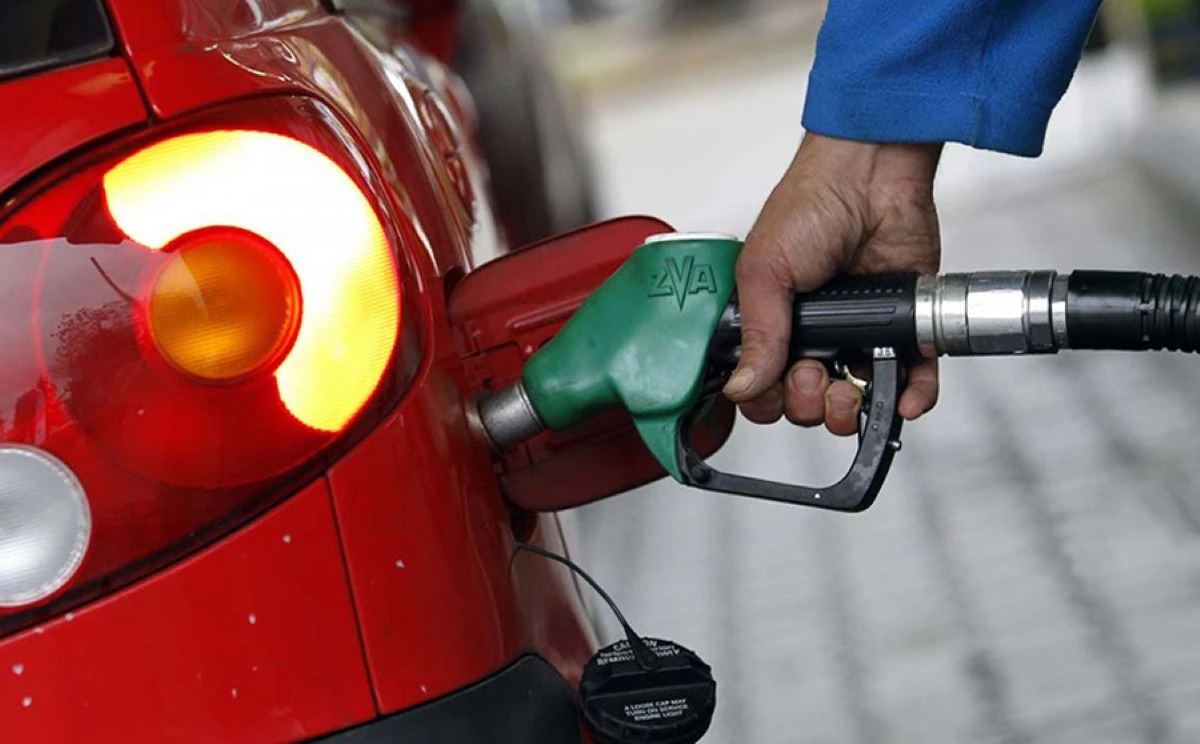
The renewed acceleration in energy inflation comes as motorists face significantly higher petrol prices across Nigeria.
Before the latest Middle East conflict, petrol reportedly sold for around ₦830 per litre. Prices subsequently climbed above ₦1,400 in several locations, reflecting the impact of rising crude oil prices and volatility in international energy markets.
In September, petrol stations in Lagos reportedly sold the product for between ₦1,400 and ₦1,430 per litre, while prices in Abuja ranged from ₦1,400 to ₦1,450 per litre.
Compared with the pre-conflict price of ₦830, those levels represent increases of approximately 69% to 75%. The higher costs affect not only private motorists but also commercial transport operators, logistics companies and businesses that depend on fuel-powered equipment or generators.
For households, expensive petrol can increase commuting and food-distribution costs, while businesses may pass higher operating expenses on to consumers through the prices of goods and services.
Although energy inflation measures changes in energy-related prices rather than the cost of petrol alone, the surge in fuel prices provides important context for the latest figures.
CBN Survey Highlights Energy Costs for Businesses and Households
The effect of energy expenses is also reflected in the Central Bank of Nigeria’s July 2026 Inflation Expectations Survey, which identified energy-related spending as a major concern for both businesses and households.
The survey found that 60.9% of businesses reported higher spending due to inflation, compared with 55.9% of households.
Petrol, diesel and electricity costs ranked highest among the factors shaping inflation perceptions, scoring 74.1 points among businesses and 61.9 points among households.
The findings illustrate how energy prices can spread through the economy. Businesses facing higher fuel and electricity bills may spend more on manufacturing, refrigeration, transportation and service delivery. Households, meanwhile, can face higher transport expenses and indirect increases in the cost of everyday essentials.
The latest energy inflation data suggests that these pressures remain significant despite the moderation in headline inflation.
FG’s 30-Day Petrol Discount Offers Temporary Relief
The Federal Government has introduced a temporary petrol discount programme intended to ease the burden of high fuel prices, particularly for commercial transport operators.
Announced on October 8, the 30-day initiative applies at Nigerian National Petroleum Company Limited (NNPC Ltd.) retail outlets, with commercial transport operators given priority.
The government has clarified that the measure is not a return to petrol subsidies. Under the arrangement, NNPC Retail is expected to absorb the discount through its profit margins rather than obtain funding from the federal budget or the Federation Account.
However, the programme has raised concerns among independent petroleum marketers, who argue that restricting the discount to NNPC stations could limit its reach in areas where the company has fewer outlets.
Representatives of the Independent Petroleum Marketers Association of Nigeria (IPMAN) have called for the programme to be extended from 30 to 60 days and opened to independent marketers to improve access nationwide.
What the Latest Figures Mean for Nigeria’s Economy
The sharp rise in energy inflation highlights the challenge of translating a slowdown in overall inflation into meaningful relief for consumers.
Even when headline inflation declines, households may continue to struggle if essential expenses such as transport, electricity and fuel remain elevated. For businesses, higher energy costs can squeeze profit margins, increase the cost of moving goods and complicate pricing decisions.
The impact may be particularly pronounced for small businesses that rely on petrol or diesel to power equipment and maintain operations amid unreliable electricity supply. If the increase in operating expenses persists, businesses may respond by raising prices, reducing costs elsewhere or limiting expansion.
The government’s discount programme could offer some short-term relief, but its duration, coverage and accessibility will influence how much it can ease the burden. Extending participation to independent marketers, as IPMAN has requested, could improve access for consumers outside areas well served by NNPC retail stations.
At the same time, developments in global oil markets remain an important factor in the outlook for domestic energy prices. Continued volatility could sustain pressure on fuel costs and complicate efforts to reduce inflationary pressure across the economy.
Energy Prices Remain a Key Inflation Risk
September’s figures show that Nigeria’s progress in moderating headline inflation is unfolding alongside renewed pressure in a critical part of household and business expenditure.
Energy inflation’s rise to 10.85% from 4.69% in August underscores how quickly the price environment can change. The reversal in month-on-month energy prices also suggests that the relief recorded in the preceding month was not sustained.
The coming months will show whether the government’s temporary petrol discount can provide meaningful relief and whether changes in global oil prices ease the pressure on domestic fuel costs.
For consumers and businesses, the central concern remains the effect of expensive energy on daily spending, transportation and production. Until those costs stabilise, a lower headline inflation rate may not necessarily translate into a proportionate improvement in purchasing power.