

.
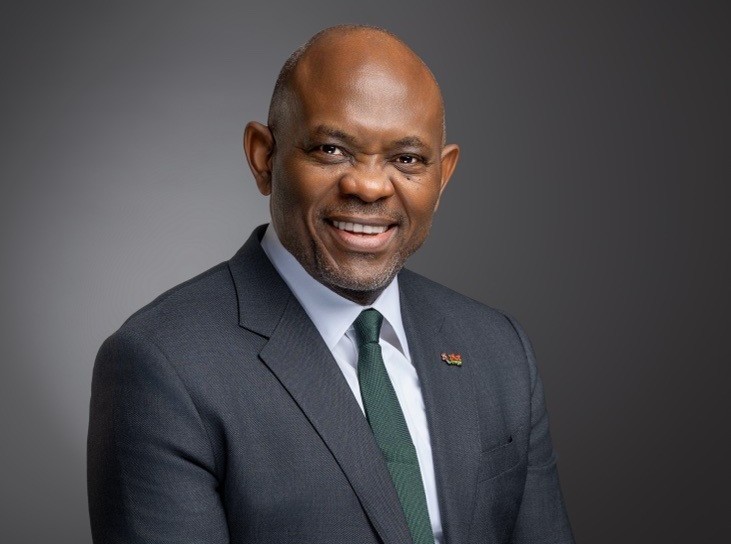
Nigerian billionaire and Heirs Holdings Chairman Tony Elumelu is backing a proposed $15 billion investment pipeline designed to accelerate infrastructure development across West Africa, as regional governments and financiers seek new ways to close longstanding funding gaps.
The initiative will identify commercially viable projects across multiple West African countries and present them to potential lenders and development finance institutions ahead of the inaugural West Africa Integration and Investment Summit (WAIIS), scheduled to hold in Sierra Leone in November 2026.
Elumelu, who serves as co-chair of the summit, disclosed the plan in an email response to questions from Bloomberg, which reported the development on October 15. The proposed portfolio will focus on energy, trade, industrialisation, strategic minerals, agriculture and digital infrastructure.
The initiative reflects growing efforts to mobilise capital for projects capable of improving regional connectivity, supporting industrial growth and strengthening trade links across West Africa.
26 Projects Selected From 170 Proposals
The investment pipeline has progressed from initial submissions to a shortlist of projects considered suitable for presentation to potential financiers.
Kandeh Kolleh Yumkella, special envoy for WAIIS, said organisers received 170 project proposals from developers across the region. Of these, 26 projects from more than 10 countries were selected, with a combined estimated value exceeding $10 billion.
“We received 170 project submissions and have selected 26 real projects worth more than $10 billion from over ten countries,” Yumkella said in a statement issued by the summit organisers.
He added that the value of the selected portfolio was expected to reach $15 billion or more by the time of the summit in November.
The proposed $15 billion therefore represents a target for the pipeline of projects being assembled, rather than funding already secured or disbursed.
The next stage will involve presenting the selected opportunities to prospective financiers for consideration, assessment and possible investment.
UBA, Afreximbank, AFC and Africa50 Among Target Financiers
The initiative is expected to engage major regional financial institutions, including United Bank for Africa (UBA), the African Export-Import Bank (Afreximbank), the Africa Finance Corporation (AFC) and Africa50.
These institutions are among the potential financiers expected to review the proposed projects ahead of the summit.
Their participation could be important in structuring financing for infrastructure developments that require substantial upfront investment, long repayment periods and coordination among governments, project developers and private investors.
However, the announcement does not establish that the institutions have committed specific amounts to the pipeline. Their role at this stage is linked to the proposed financing process, with individual projects still requiring assessment.
For developers, the summit offers a platform to present investment opportunities to institutions with experience in regional trade, infrastructure financing and development funding.
For governments, the process could help connect priority infrastructure plans with capital providers able to evaluate their commercial and developmental potential.
Energy and Digital Infrastructure Take Centre Stage
The proposed portfolio covers sectors regarded as essential to West Africa’s economic transformation.
Energy projects could help address electricity supply constraints that raise operating costs for manufacturers and other businesses. Investments in trade infrastructure and industrialisation could improve the movement of goods, support regional production networks and strengthen cross-border commerce.
Strategic minerals and agriculture are also included among the priority areas, reflecting opportunities to expand value addition, strengthen food systems and develop industries around the region’s natural resources.
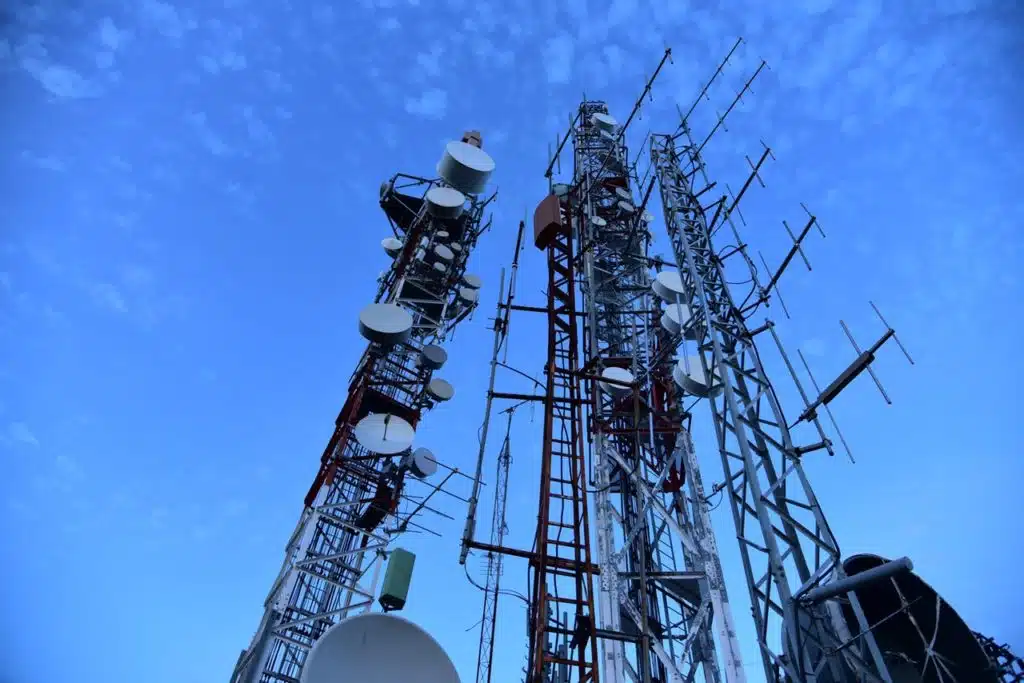
Digital infrastructure forms another key component of the initiative. Better connectivity and digital systems can support financial services, business operations and access to markets, although the scale and specific locations of proposed digital projects have not yet been detailed.
The regional approach is significant because infrastructure gaps frequently extend beyond national borders. Transport connections, energy networks and digital systems can deliver broader economic benefits when developed to serve multiple countries rather than isolated markets.
Nevertheless, the ultimate impact will depend on whether shortlisted projects can secure financing, meet implementation requirements and deliver services at sustainable costs.
Nigeria-Morocco Gas Pipeline Highlights Regional Ambitions
The proposed investment drive comes as West African countries continue advancing large cross-border infrastructure projects.
One prominent example is the $25 billion Nigeria-Morocco Gas Pipeline, also known as the African Atlantic Gas Pipeline. The project is designed to transport natural gas from Nigeria through several West African countries to Morocco, with potential connections to European energy markets.
In June 2022, Nigeria’s Federal Executive Council approved the Nigerian National Petroleum Company Limited (NNPC Ltd.) to negotiate an agreement with the Economic Community of West African States (ECOWAS) on the project.
Nigeria, Morocco and ECOWAS formalised cooperation through a memorandum of understanding in December 2022 covering project development and financing. NNPC subsequently signed additional agreements involving The Gambia, Guinea-Bissau, Guinea, Sierra Leone and Ghana.
In April 2026, Nairametrics reported that Nigeria and Morocco were preparing to conclude an intergovernmental agreement supporting plans to transport up to 30 billion cubic metres of natural gas annually.
In July 2026, ECOWAS member states signed an intergovernmental agreement in Sierra Leone to establish a framework for project management, regional coordination and investment mobilisation.
The pipeline illustrates the scale of financing and cross-border cooperation required to deliver infrastructure with benefits extending across multiple economies. It is separate from the proposed $15 billion WAIIS project pipeline.
Elumelu Deepens His Energy Investments
Elumelu’s infrastructure advocacy comes alongside an expansion of his investments in Nigeria’s energy and financial services sectors.
On September 30, 2026, Heirs Energies Limited, a company controlled by Elumelu, acquired an additional six million shares in Seplat Energy Plc.
The transaction increased the combined holdings of Heirs Energies and Heirs Holdings from 120.4 million shares to 126.4 million shares, raising their combined voting interest in Seplat from 20.07% to 21.07%.
An analysis published on October 5 estimated that the market value of Elumelu’s holdings in Seplat Energy, UBA and Transnational Corporation Plc rose by ₦684.59 billion between June and September 2026.
The combined value of the three holdings increased from approximately ₦1.74 trillion at the end of June to ₦2.43 trillion in September, representing a 39.3% quarterly increase. Seplat accounted for ₦654.20 billion of the appreciation, while UBA contributed ₦44.50 billion.
These investments provide additional context for Elumelu’s interest in infrastructure and energy, although his personal and corporate holdings are separate from the proposed regional investment pipeline.
Financing Remains the Critical Test
The proposed pipeline offers West African governments and project developers a potential route to bring infrastructure opportunities before major regional financiers.
Yet selecting projects and assigning them estimated values is only the first stage. The initiative’s success will depend on whether the proposals meet lenders’ requirements, attract sufficient capital and progress from planning to implementation.
The November summit will be an important milestone in determining how the pipeline advances. Until financing commitments are confirmed, the $15 billion target should be viewed as a proposed portfolio value rather than completed investment.
For West Africa, the broader objective is to turn infrastructure plans into functioning assets that improve energy access, facilitate trade, support industrialisation and strengthen digital connectivity across the region.