.
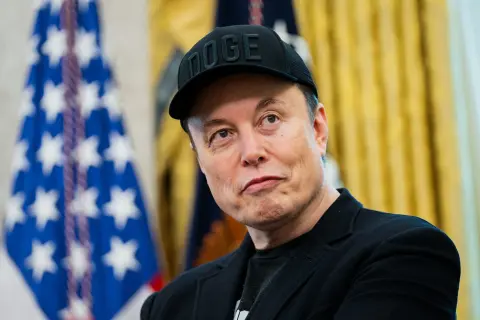
Billionaire entrepreneur Elon Musk has pledged to give one share of SpaceX to every child in the United States in 2027, a proposed giveaway estimated at approximately $10.5 billion and potentially extending ownership of the aerospace and technology company to millions of young Americans.
Musk announced the plan on October 19, 2026, through his social media platform, X, saying the distribution would be the first of several planned initiatives.
The proposal could cover approximately 72 million children under the age of 18, based on United States population estimates. At SpaceX’s closing share price of $146.03 on October 16, the proposed distribution would have a combined market value of about $10.52 billion.
However, Musk has yet to disclose the eligibility requirements, distribution mechanism or specific date for transferring the shares. The final value of the proposed giveaway would also depend on SpaceX’s share price and the number of eligible recipients when the transfer takes place.
Musk Says Giveaway Is First of Several Initiatives
In announcing the plan, Musk wrote: “Next year, I will give one of my SpaceX shares to every kid in America. This will be the first of many.”
The statement suggests that the proposed donation could form part of a broader effort to distribute company ownership, although Musk did not specify whether subsequent initiatives would involve additional SpaceX shares or investments in other businesses.
The billionaire made the announcement after responding to a separate philanthropic initiative by artificial intelligence company Anthropic, which said it would commit 5% of its shares to a newly established Public Benefit Fund.
Musk argued that distributing shares directly to individuals would be preferable to channelling them through a dedicated fund. His announcement subsequently outlined a plan to transfer SpaceX ownership to American children rather than simply commit a portion of his wealth to a charitable organisation.
Proposed Transfer Would Reduce Musk’s Holdings
The pledge would involve transferring part of Musk’s existing SpaceX ownership, rather than paying children cash.
An August 2026 filing with the United States Securities and Exchange Commission indicated that Musk beneficially owned approximately 6.42 billion SpaceX shares as of June 30, representing about 48.4% of the company.
Distributing approximately 72 million shares from those holdings would amount to around 1.12% of his reported shareholding. Assuming the transfer comes entirely from his existing holdings and the company’s total outstanding shares remain unchanged, his ownership percentage would decline to approximately 47.86%.
The estimated $10.52 billion value represents the shares’ market value at the reference price, not a guaranteed cash benefit for recipients. As shareholders, the children would hold assets whose value could rise or fall with SpaceX’s market performance.
SpaceX’s Public Listing Reshaped Musk’s Wealth
The proposed donation comes months after SpaceX completed its initial public offering (IPO) in June 2026, marking a major milestone for the company founded by Musk in 2002.
According to Nairametrics, the IPO raised approximately $85.7 billion through the issuance of about 638.9 million shares, including an additional allotment to underwriters.
The public listing substantially increased the value of Musk’s holdings and briefly pushed his estimated fortune above $1 trillion. However, SpaceX shares subsequently declined from their post-listing peak, reducing his estimated wealth.
At the time of the October 19 announcement, reports placed Musk’s net worth at approximately $904 billion, although such estimates fluctuate with the market value of his assets.
SpaceX operates rocket and spacecraft programmes, the Starlink satellite internet service and other technology ventures. Its public-market valuation means that any large transfer of its shares would be exposed to changes in investor sentiment and the company’s financial performance.
Trump Accounts Provide a Broader Context
Musk’s proposal comes amid wider efforts in the United States to give children an early financial stake in investments.
The Trump administration introduced Trump Accounts, tax-advantaged investment accounts intended to help eligible children build wealth over time. Under the programme, eligible children born between 2025 and 2028 are entitled to a $1,000 federal seed contribution, while families, individuals and businesses can make additional contributions.
Other wealthy donors and companies have also announced support for children’s investment initiatives. SpaceX President Gwynne Shotwell and her husband previously pledged shares for more than two million children, while Michael and Susan Dell announced a separate $6.25 billion contribution for 25 million American children’s accounts.
Musk’s proposal differs in its stated scope: rather than targeting a specific group of eligible children through an existing investment programme, he has publicly promised one SpaceX share to every child in America. It remains unclear whether the distribution would be integrated into Trump Accounts or managed through a separate arrangement.
Philanthropy and AI’s Economic Future
The announcement also arrives amid mounting debate about the social and economic consequences of artificial intelligence.
Anthropic’s proposed Public Benefit Fund is intended to support initiatives benefiting the public, including charitable donations and assistance to populations affected by economic disruption. The company’s decision to allocate shares to the fund followed growing discussion about AI-related risks and the possibility of job displacement.
Musk has repeatedly argued that advances in AI and robotics could eventually produce an era of abundance. He has also suggested that governments may need to consider broad financial support if automation significantly disrupts employment.
Whether his share giveaway will be implemented as announced remains uncertain. For now, the pledge represents a proposed transfer of corporate ownership, rather than a completed donation or a guaranteed financial return for American children.