





.
Engineering professionals in Nigeria are advocating wider deployment of drones, robotics and artificial intelligence-powered computer vision to improve the inspection and maintenance of critical infrastructure, reduce workplace hazards and identify structural defects before they develop into major failures.
The call was made during the Nigerian Institute of Electrical and Electronic Engineers (NIEEE) Diaspora Chapter’s 1.5 edition of its Monthly Webinar/Lecture Series, held virtually on October 3, 2026.
The session, themed “Autonomous Inspection: Using Drones, Robotics, and Computer Vision to Make Infrastructure Safer,” brought together engineers, researchers and technology professionals to examine how autonomous systems could transform the monitoring of roads, bridges, electricity installations, telecommunications networks, industrial facilities and other essential assets.
The discussion comes amid continuing concerns about the safety, reliability and maintenance of infrastructure, with participants highlighting the need to combine emerging technologies with sound engineering practices and stronger technical capabilities.
Drones and Robots Could Reduce Inspection Risks
Delivering the principal presentation, Seyi Ayeni, a Principal Solutions Architect with experience in software engineering, cybersecurity and enterprise infrastructure, explained that conventional inspection methods can expose engineers to hazardous working conditions.
Inspecting elevated structures, confined industrial spaces and difficult-to-reach installations often requires personnel to work in environments where accidents and occupational injuries are possible.
Drones equipped with cameras and specialised sensors can collect inspection data from locations that are difficult or dangerous for workers to access. Robotic platforms can also perform assessment tasks in confined spaces and industrial environments where direct human intervention may be unsafe.
Ayeni said autonomous inspection should strengthen engineering work rather than eliminate the role of professionals.
“Autonomous inspection is fundamentally about making infrastructure inspection safer, smarter and more repeatable. The objective is not to remove engineers from the process, but to give engineers better information and better tools to make decisions,” he said.
The approach could help infrastructure operators obtain more consistent inspection records while reducing unnecessary exposure of workers to dangerous conditions.
AI Can Detect Cracks, Corrosion and Structural Deterioration
A central theme of the presentation was the use of computer vision to improve the identification of defects.
Computer vision systems apply artificial intelligence and machine-learning techniques to analyse images and other visual information collected through cameras and inspection sensors. These systems can assist engineers in identifying cracks, corrosion, structural deterioration and other visible abnormalities that may require further investigation.
By detecting defects earlier, infrastructure operators could move away from relying mainly on reactive maintenance, in which repairs are undertaken after problems become serious.
Instead, inspection data could support preventive and predictive maintenance strategies, allowing operators to identify emerging problems, prioritise repairs and plan interventions before equipment failure or significant structural damage occurs.
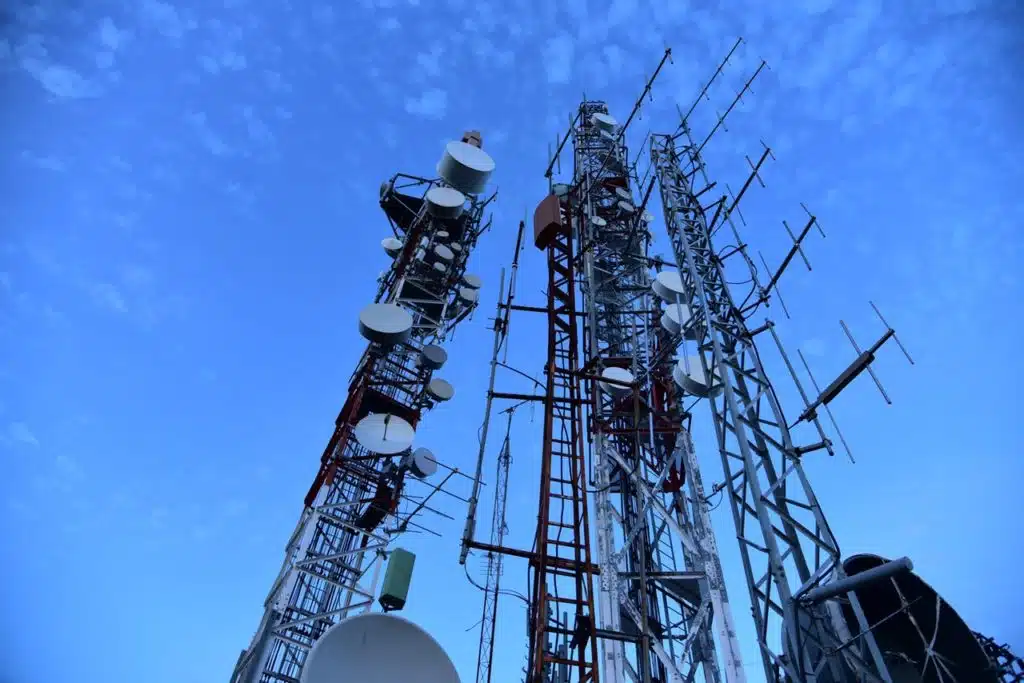
Such capabilities could be particularly useful for assets that require frequent monitoring, including bridges, power installations, telecommunications towers and industrial equipment.
However, automated detection does not remove the need for professional assessment. Inspection results must be evaluated by qualified engineers to establish the seriousness of a defect and determine the appropriate response.
Reliable Data Is Critical to Technology Deployment
Ayeni stressed that the effectiveness of autonomous inspection depends not simply on the equipment deployed, but also on the quality of the information it produces.
“A drone, robot or computer-vision platform is only as valuable as the information it produces and the decisions that information enables,” he said.
He identified appropriate sensors, reliable communications, accurate data collection, robust AI models and qualified engineering personnel as essential elements of a successful deployment.
Inspection records collected over time can also help operators compare changes in the condition of infrastructure and determine when additional assessments or maintenance are necessary.
Maintaining accurate digital records could improve the tracking of defects, support maintenance planning and provide a clearer basis for decisions about infrastructure safety.
For Nigeria, the implications extend beyond acquiring advanced equipment. Infrastructure owners and operators would need systems capable of collecting, storing, analysing and securing inspection data while ensuring that findings are interpreted within relevant engineering and regulatory requirements.
Cybersecurity and Technical Skills Remain Important
The growing use of connected sensors, robotics and AI systems also introduces new operational considerations.
Participants discussed barriers to adoption, including equipment and deployment costs, cybersecurity, data management, regulatory compliance and shortages of specialised technical skills.
As infrastructure systems become increasingly connected to digital platforms, protecting them against cyber threats becomes an important part of ensuring operational reliability.
Ayeni’s professional background spans more than 17 years across financial technology, cybersecurity, software engineering, data analytics and enterprise infrastructure. He previously held technical responsibilities at the Central Bank of Nigeria, contributing to enterprise technology solutions supporting institutional operations and financial-market systems.
He holds a Bachelor of Science degree in Computer Science from the University of Ilorin and a Master of Science degree in Applied Analytics from Columbia University in New York, where he currently works.
His interests include the cybersecurity of critical infrastructure and cyber-physical systems, which combine physical equipment with digital technologies and interconnected software.
The discussion reinforced the need for local engineers to develop the expertise required to design, calibrate, operate and maintain autonomous inspection systems.
NIEEE Diaspora Chapter Promotes Knowledge Sharing
Speaking during the webinar, Engr. Wale Olaluwoye, FNIEEE, Chairman of the NIEEE Diaspora Chapter, reviewed the impact of previous editions of the chapter’s webinar series.
He highlighted their role in exposing engineering professionals to emerging technologies, international engineering practices and practical approaches to Nigeria’s development challenges.
The programme provides a platform for professionals to exchange technical knowledge and examine innovations that could be applied across engineering sectors.
Contributions during the session also emphasised the importance of building domestic expertise so that advanced inspection technologies can be deployed and managed effectively within Nigeria.
Infrastructure Operators Face an Implementation Challenge
The advocacy for autonomous inspection reflects a wider shift towards technology-driven infrastructure management, where real-time information and early defect detection can support safer operations and more efficient maintenance.
For Nigeria, drones, robotics and computer vision could help improve the monitoring of critical assets, reduce workers’ exposure to hazardous environments and strengthen maintenance planning.
However, the benefits will depend on affordability, technical capacity, reliable data, effective cybersecurity and the integration of automated findings into established engineering procedures.
The NIEEE Diaspora Chapter’s October webinar highlighted the potential of intelligent inspection systems to support safer and more reliable infrastructure. Its central message was that technology must work alongside professional engineering judgement, not replace it.
As infrastructure operators consider these tools, the priority will be to translate technological potential into practical inspection programmes that improve safety, identify defects earlier and extend the reliability of Nigeria’s critical assets.