










.
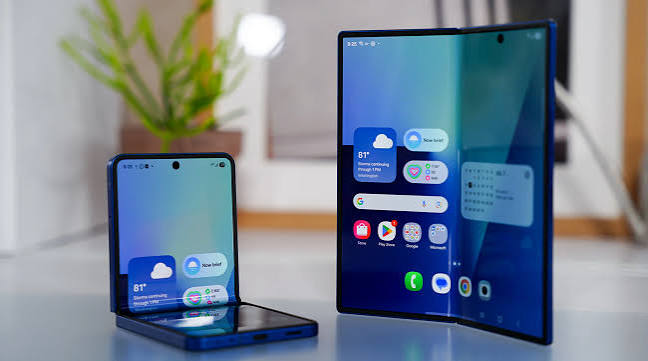
South Korean technology giant Samsung is stepping up competition in the premium smartphone market with the launch of its latest foldable devices, the Galaxy Z Fold8 and Galaxy Z Fold8 Ultra, as it seeks to capture a larger share of Nigeria’s high-end device market.
The company unveiled the eighth generation of its foldable smartphone line in Lagos, signalling its intention to use the new devices to deepen its foothold in the premium segment and drive broader consumer adoption of foldable technology.
Samsung is targeting 10% of the premium smartphone market within the next two years, according to the company’s executives at a media briefing in Lagos.
Samsung Bets on Foldables for Premium Growth
Samsung already holds a leading position in the global foldable smartphone segment, but the company sees further room for expansion as consumers increasingly demand devices that combine portability with larger displays and advanced features.
The latest Fold8 series is expected to strengthen that position by combining upgraded performance, artificial intelligence capabilities and redesigned displays aimed at how consumers use their smartphones.
The launch comes as competition in the premium smartphone market intensifies, with manufacturers increasingly using innovative form factors and AI-powered features to differentiate their flagship products.
Samsung’s strategy is not limited to defending its existing foldable leadership. The company is also seeking to make foldable smartphones more mainstream.
Foldable Market Expected to Accelerate
Oge Maduagwu, Samsung’s Head of Marketing Communications, said the global foldable smartphone market is expected to maintain strong growth, projecting annual expansion of approximately 20%.
She added that sales of foldable devices could double by 2028, pointing to what Samsung sees as significant room for adoption as consumers become more familiar with the form factor.
Maduagwu acknowledged the growing competition within the segment but said Samsung views rivalry as a catalyst for continued innovation.
According to her, expanding consumer adoption remains a central priority as the company works to take foldables beyond the premium niche.
Display Designed Around Content Consumption
The Galaxy Z Fold8 has been designed with changing patterns of smartphone use in mind, particularly the growing amount of video and other digital content consumed on mobile devices.
Stephen Okwara, Product Manager, Mobile Experience, said more than 60% of users consume content on their devices, influencing the display design and aspect ratio of the new Fold8.
He explained that the redesigned display is intended to adapt more naturally to different forms of content, creating a more immersive viewing experience.
The Fold8 Ultra, meanwhile, is positioned as Samsung’s most advanced foldable design, combining the company’s latest performance and innovation features.
AI Takes a Bigger Role
Beyond its physical design, Samsung is placing greater emphasis on agentic artificial intelligence in the new foldable devices.
The company said the technology is part of a broader effort to make its smartphones more capable of responding to evolving consumer needs and supporting more intelligent interactions.
The AI push comes as smartphone manufacturers increasingly compete on software and intelligent features rather than relying solely on improvements in processors, cameras and displays.
For Samsung, incorporating AI into its foldable range provides another avenue to distinguish its premium devices in an increasingly crowded market.
Samsung Focuses on Device Protection
Alongside the product launch, Samsung also urged customers to take advantage of its device-protection services.
Joy Tim-Ayoola, Head of Mobile Experience, encouraged customers to register on the Samsung Care platform, which provides device protection and access to more affordable repair services.
The move reflects the importance of after-sales support in the premium smartphone market, where consumers typically make larger investments in flagship devices.
Competition Intensifies
Samsung’s latest launch comes at a time when competition across the premium smartphone segment is becoming increasingly aggressive.
Foldable devices have evolved from experimental products into a growing category, with manufacturers competing on design, durability, cameras, processing power, AI and overall user experience.
Samsung’s decision to target 10% of the premium smartphone market within two years demonstrates the scale of its ambition.
With the global foldable market projected to grow by about 20% annually and sales potentially doubling by 2028, Samsung is betting that the next phase of smartphone competition will be shaped increasingly by flexible displays, intelligent software and premium experiences.
The success of the Galaxy Z Fold8 and Fold8 Ultra will ultimately depend on whether these innovations can translate into broader consumer adoption and allow Samsung to convert its leadership in foldables into stronger control of the wider premium smartphone market.