







.
Nigeria’s business environment has undergone a profound transformation over the past 25 years, with mobile connectivity evolving from a basic communication service into a critical tool for commerce, payments, marketing and remote work.
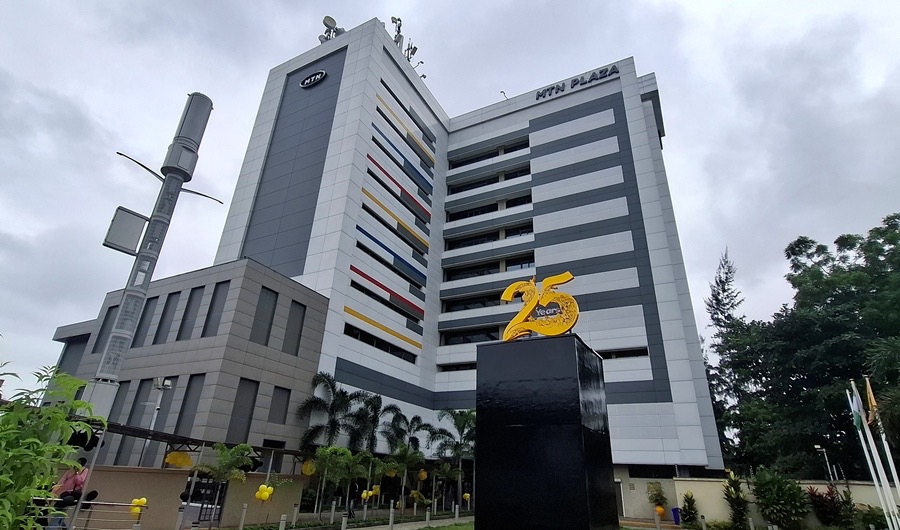
The journey, from the era of mobile phones used mainly for calls and SMS to today’s smartphone-driven digital economy, is being showcased at the MTN Y’ello Street Experience in Lagos. The initiative provides visitors with a look at how connectivity has evolved and reshaped everyday economic activity in Nigeria.
For Nigerian entrepreneurs and professionals, the transformation has been particularly significant.
A mobile phone that once primarily enabled voice calls and text messages can now serve as a virtual business centre. Entrepreneurs use connected devices to communicate with customers, advertise products, receive payments, manage operations, work remotely and reach customers outside their immediate locations.
From Communication to Commerce
The evolution of connectivity has fundamentally changed how businesses interact with customers and conduct transactions.
Mobile banking and digital payments have reduced the dependence on physical transactions, while smartphones and internet access have enabled businesses to promote products and services through digital channels.
For small businesses in particular, connectivity has created opportunities to reach wider markets without requiring a physical presence in every location.
The transition has also changed consumer behaviour, with customers increasingly able to discover products, communicate with businesses and make payments through digital platforms.
The Y’ello Street Experience brings these stages of technological development together, allowing visitors to see how connectivity moved from being primarily a communication utility to becoming an important part of Nigeria’s economic infrastructure.
Technology Reshapes the Workplace
Beyond commerce, connectivity has altered how Nigerians work.
The availability of mobile internet and smartphones has made it possible for professionals and entrepreneurs to remain connected to customers, colleagues and business operations while away from traditional offices.
This shift has become increasingly important as digital tools have expanded the range of services that can be delivered remotely.
For entrepreneurs, connectivity has also lowered some of the barriers to entering and operating in markets, allowing businesses to communicate and transact across geographical boundaries.
Looking Ahead to the Next 25 Years
The 25-year connectivity journey also raises questions about the next phase of Nigeria’s digital transformation.
As technologies continue to develop, entrepreneurs, consumers and businesses are likely to encounter an increasingly connected economy in which digital services play an even larger role in everyday activities.
The Y’ello Street Experience offers an opportunity to reflect on that progression while considering what the next generation of connectivity could mean for Nigeria’s economy and its entrepreneurs.
The experience is scheduled to run until August 17, 2026, and is open daily from 9:00 a.m. to 6:00 p.m. at MTN Plaza, Awolowo Road, Ikoyi, Lagos.
After a quarter-century in which mobile technology has transformed how Nigerians communicate, work and conduct business, the next chapter of connectivity could prove just as significant for the country’s digital economy.