






.
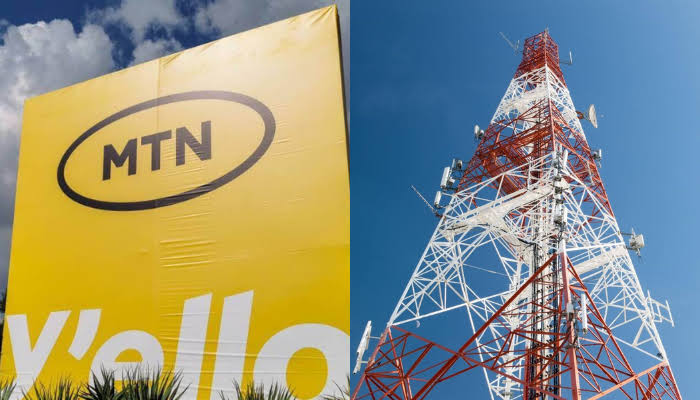
The Federal Competition and Consumer Protection Commission (FCCPC) has granted conditional approval for MTN Group’s proposed $6.2 billion acquisition of IHS Holding Limited, clearing a major regulatory hurdle for one of Africa’s biggest telecom infrastructure transactions.
MTN disclosed the development in its half-year 2026 financial results, saying the FCCPC approval covers the Nigerian component of the transaction. However, the regulator’s consent comes with a condition requiring MTN to reduce its ownership in part of the acquired Nigerian business over time.
FCCPC Sets 30% Sell-Down Condition
Under the condition attached to the approval, MTN Group will be required to sell down up to 30% of the Nigerian component of the IHS business at market prices over time.
MTN said it is comfortable with the requirement, describing the remaining regulatory conditions as principally related to approvals in the various jurisdictions involved in the transaction.
The condition appears designed to address competition concerns arising from MTN gaining full control of a major telecommunications infrastructure provider in Nigeria.
$6.2bn Deal Targets Full IHS Ownership
MTN Group announced in February 2026 that it had agreed to acquire the outstanding shares of IHS Towers that it did not already own in an all-cash transaction valued at approximately $6.2 billion.
Under the agreement, IHS shareholders are to receive $8.50 per share, with the transaction expected to take IHS private once completed. MTN already held a significant stake in IHS before launching the full acquisition bid.
IHS Towers is one of the world’s largest independent owners and operators of shared telecommunications infrastructure, making the transaction strategically important to MTN’s African operations.
Nigeria Remains Central to the Transaction
The Nigerian market is particularly important to the deal because IHS has an extensive tower infrastructure footprint in the country.
For MTN, gaining greater control over the infrastructure supporting its network could strengthen its ability to plan and deploy network capacity while potentially improving the economics of its operations.
However, the concentration of telecom infrastructure ownership also prompted scrutiny from Nigerian authorities, given the importance of towers and related infrastructure to competing mobile operators and the wider digital economy.
Nigeria’s Ministry of Communications, Innovation and Digital Economy had earlier indicated that the transaction would undergo assessment because of its implications for competition, national security, financial services and economic growth.
MTN Says Deal Remains a Strategic Priority
MTN said the IHS acquisition remains a strategic priority for the second half of 2026, with the group expecting the transaction to strengthen its long-term earnings profile, revenue growth and free cash-flow generation.
The company noted that several regulatory approvals have already been secured, while other approvals remain underway or are expected shortly.
The transaction is therefore moving closer to completion, although the remaining regulatory requirements must still be satisfied.
IHS Shareholders Already Backed Deal
The acquisition has also cleared an important shareholder hurdle.
IHS Towers shareholders approved the proposed merger at an extraordinary general meeting held on August 4, 2026, paving the way for the transaction to proceed through its remaining regulatory stages.
Once completed, IHS Towers will become a wholly owned subsidiary of MTN and its ordinary shares will cease to be publicly listed.
What the Takeover Means for Telecom Infrastructure
The proposed acquisition represents a major shift in the ownership structure of telecom infrastructure in Africa.
Tower companies such as IHS play a critical role in allowing mobile operators to deploy and expand networks without having to build and operate every tower themselves. Their infrastructure supports services ranging from traditional mobile connectivity to increasingly data-intensive 4G and 5G networks.
MTN’s move to take full control of IHS could therefore give the telecom group greater influence over how infrastructure is deployed across its key markets.
At the same time, the FCCPC’s sell-down requirement underscores regulators’ concern that greater vertical integration should not weaken competition or disadvantage other operators that rely on shared infrastructure.
The Bigger Picture
The FCCPC’s conditional approval brings MTN another step closer to completing its $6.2 billion IHS takeover, but the 30% sell-down requirement introduces an important condition into the transaction.
For MTN, the deal remains a major part of its strategy to strengthen long-term earnings and control more of the infrastructure underpinning its African operations.
For Nigeria’s telecom sector, however, the transaction will be closely watched for its impact on competition, infrastructure access and the ability of rival operators to secure fair access to critical network assets.
The final outcome will depend on MTN satisfying the FCCPC’s conditions alongside the remaining regulatory approvals needed to close the transaction.