







.
Airtel Africa Plc emerged as the biggest market-capitalisation gainer on the Nigerian Exchange (NGX) in August, adding approximately N1.87 trillion to its value despite a broader market retreat during the month.
The telecommunications company’s share price climbed 8.59%, moving from N5,801.40 at the end of July to N6,300 by the close of August.
The gain lifted Airtel Africa’s market capitalisation to N23.68 trillion, making it the most valuable company on the NGX.
However, the stock’s spectacular run has also raised a more difficult question for investors: after gaining about 177.5% since the beginning of the year, is Airtel Africa still attractively priced?
Airtel Outpaces a Weak August Market
The NGX All-Share Index declined 0.44% in August to 244,199.39 points, while total market capitalisation fell 0.37% to N157.74 trillion as investors locked in gains following the market’s strong performance earlier in the year.
Airtel Africa moved in the opposite direction.
The stock began 2026 at N2,270 and has since delivered a return of roughly 177.5% in the first eight months of the year, substantially outperforming the wider market.
Its August advance alone added about N1.87 trillion to its market value.
That sharp re-rating reflects investors’ growing confidence in the company’s earnings prospects, but it has also pushed the valuation considerably higher.
Earnings Growth Supports the Rally
A major factor behind Airtel Africa’s performance has been stronger operating results.
By the June 2026 quarter, the company had reported a 31% increase in revenue to $1.85 billion, while profit before tax rose 32% to $360 million.
Underlying usage trends were equally significant.
Average monthly data consumption per customer increased from 7.8GB to 10.6GB, contributing to a 56.3% rise in data traffic.
Airtel Money also recorded strong momentum, with transaction value increasing 51.5%.
The figures suggest the company’s growth is not being driven solely by subscriber additions. Existing customers are consuming more data and making greater use of Airtel’s digital financial-services platform.
Nigeria Remains a Major Growth Engine
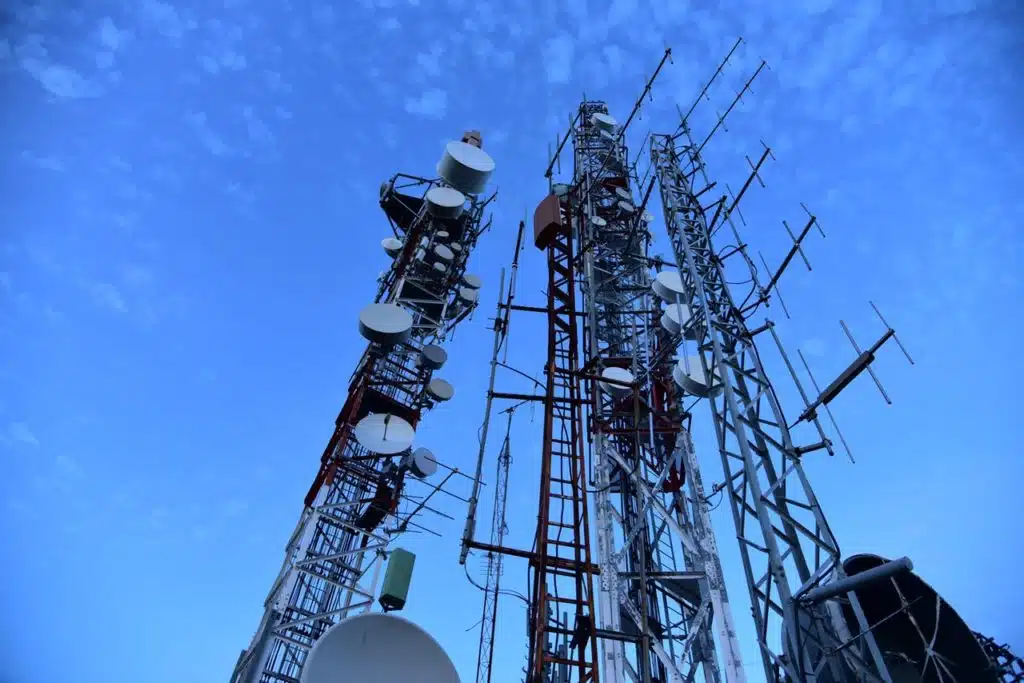
Nigeria is also contributing significantly to Airtel Africa’s improved performance.
During the June quarter, Nigerian revenue increased 29.4% in constant currency, while data revenue expanded 38% and EBITDA rose 36.5%.
The growth comes against the backdrop of a rapidly expanding Nigerian telecommunications market.
The country’s telecoms and information-services sector grew 10.38% in real terms in the second quarter of 2026, more than twice the pace of overall economic growth during the period.
For Airtel Africa, Nigeria therefore remains an important market as rising data consumption and digital-service adoption create opportunities for additional revenue growth.
Higher Investment Raises Cash-Flow Question
The company’s expansion, however, is coming at a higher cost.
Airtel Africa spent $389 million on capital expenditure in the June quarter, compared with $121 million during the corresponding period a year earlier.
The increased investment is aimed at expanding network capacity and supporting future growth, but it also places greater pressure on the company to convert that spending into stronger cash generation.
So far, the numbers provide some reassurance.
Operating free cash flow increased 23% to $183 million, while net leverage improved.
The company is therefore investing more heavily while still recording an improvement in its cash-generation position.
Airtel Money Could Unlock Another Value Story
Another potential catalyst is Airtel Africa’s plan to list Airtel Money in London.
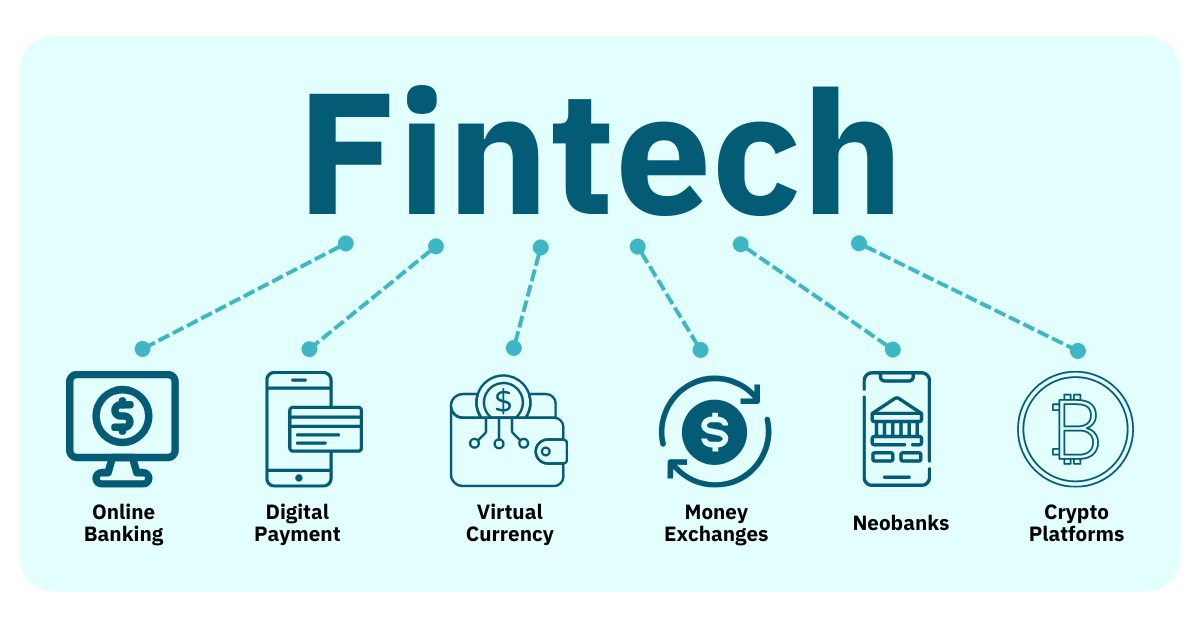
The fintech operation has more than 54 million customers and generated approximately $1.35 billion in revenue in 2026.
A separate listing could allow investors to place a more distinct valuation on Airtel Money and potentially highlight value that is currently embedded within the wider Airtel Africa business.
For shareholders, the proposed transaction represents another possible source of value beyond the company’s traditional telecommunications operations.
Valuation Becomes the Main Concern
The difficulty for investors now is less about identifying growth and more about determining whether that growth is already reflected in the share price.
At N6,300, Airtel Africa was trading at roughly 25 times trailing earnings and about five times book value.
Its dividend yield was only around 1.6%, meaning the investment case depends substantially on continued earnings expansion and capital appreciation rather than dividend income.
The contrast with the start of the year is significant.
At N2,270, investors were effectively positioning for a recovery. At N6,300, they are paying a much higher price on the expectation that the recovery will continue.
Cordros Moves Airtel Africa From Buy to Hold
Analyst expectations provide some insight into the valuation debate.
Cordros projected 24% revenue growth for Airtel Africa in FY2027 and forecast a 93% increase in earnings per share.
The research firm consequently raised its target price to N6,782.60.
However, despite the stronger earnings outlook, Cordros changed its recommendation from Buy to Hold, reflecting the rapid appreciation in the share price.
When the target was set around a N5,801.40 share price, the implied upside was approximately 16.9%. Following the stock’s move to N6,300, that potential upside had narrowed to about 7.7%.
The change highlights a crucial distinction in equity investing: strong business performance does not automatically mean the stock remains cheap.
Thin Trading Adds Another Layer of Risk
Airtel Africa’s market valuation also needs to be viewed alongside its relatively low free float and trading activity.
Airtel Africa Mauritius held 62.73% of the company as of July 31, meaning the N23.68 trillion market capitalisation does not represent an equivalent amount of shares actively available for trading on the NGX.
Between June and August, only about 2.06 million shares changed hands, representing roughly 0.055% of the company’s 3.76 billion outstanding shares.
The limited trading volume means relatively modest buying pressure can have a substantial impact on the quoted share price and, consequently, the company’s overall market value.
This also means the N15 trillion-plus increase in Airtel Africa’s market value since the beginning of the year should not be interpreted as an equivalent amount of fresh cash entering the stock.
Is Airtel Africa Still Worth Buying?
At N6,300, Airtel Africa is no longer the obvious recovery play it was at the start of 2026.
The company has delivered significant earnings growth, Nigeria remains a strong contributor, data usage continues to rise and Airtel Money provides another potential growth engine.
But the market has already rewarded much of that progress.
At the current price, investors are effectively betting that earnings will expand rapidly enough to make today’s valuation appear cheaper in the future.
For instance, even a 20% increase in earnings would reduce the current price-to-earnings multiple to roughly 21 times, while 40% growth would bring it closer to 18 times.
Cordros’ 93% EPS growth forecast presents a much more bullish scenario. If earnings rise from N252 to approximately N486 per share and the market applies a 16.7-times earnings multiple, the implied share price would be around N8,100, or roughly 29% above N6,300.
That scenario, however, depends on the forecast being achieved.
The broader picture is therefore mixed: Airtel Africa’s re-rating is supported by genuine improvements in earnings and operating performance, but the stock now offers considerably less margin for error.
For investors assessing the shares at current levels, the key issue is no longer whether Airtel Africa is recovering. It is whether the company’s future earnings growth can justify the N6,300 price already being demanded by the market.