








.
Nigeria’s mobile internet market is becoming increasingly concentrated around MTN Nigeria and Airtel as rival operators Globacom and T2 Mobile continue to lose data subscribers, according to the latest industry figures.
The latest data points to a widening gap between the country’s two largest operators and their smaller competitors, raising fresh questions about competition and the long-term structure of Nigeria’s telecoms market.
Globacom’s declining internet subscriber base has been particularly significant, while T2 Mobile, formerly 9mobile, has struggled to regain momentum despite efforts to expand its network reach.
The shift means that MTN and Airtel are accounting for an increasingly dominant share of Nigeria’s internet users, strengthening their positions in a market where data consumption continues to rise.
Glo Continues to Lose Internet Subscribers
Globacom has experienced a sustained decline in its internet customer base, extending a trend that has weakened its position among Nigeria’s major mobile operators.
Earlier industry data showed Glo losing more than 3.2 million internet subscribers between December 2024 and May 2025, the largest decline recorded among the country’s four major mobile network operators during that period.
The losses have made it increasingly difficult for Glo to close the gap with MTN and Airtel, which have continued to benefit from stronger subscriber numbers and expanding demand for mobile data.
The development is particularly notable because Glo was once one of the country’s most prominent indigenous telecommunications brands, with a substantial presence in both voice and data services.
Its continued subscriber erosion therefore represents more than a decline in individual customers; it signals a broader shift in the competitive balance of Nigeria’s telecommunications industry.
T2 Struggles to Reverse Decline
T2 Mobile is facing a similar challenge.
The operator’s internet subscriber base has remained below its previous levels despite attempts to improve its competitive position through network and roaming arrangements.
The company, formerly known as 9mobile, saw its internet customer base fall below 800,000 subscribers in September 2025, just months after entering into a roaming agreement intended to strengthen its service offering.
The weak data performance has left T2 well behind the country’s leading operators and has raised questions about its ability to regain meaningful market share in an increasingly data-driven industry.
MTN, Airtel Pull Further Ahead
While Glo and T2 have struggled to retain users, MTN Nigeria and Airtel Nigeria have continued to consolidate their positions.
The two operators have invested heavily in network expansion and capacity as Nigerians increasingly rely on mobile connectivity for work, entertainment, financial services, education and communication.
The concentration of subscribers around the two operators could give them greater economies of scale, allowing them to spread network investments and operational costs across larger customer bases.
It could also make the competitive environment more challenging for smaller operators seeking to attract customers through pricing, network expansion or specialised services.
The trend is unfolding as Nigeria’s overall demand for mobile data continues to increase, creating an important opportunity for operators capable of providing reliable and affordable connectivity.
Data Becomes the Main Battleground
Nigeria’s telecoms market has gradually shifted from being primarily voice-driven to one where mobile data is central to customer acquisition and retention.
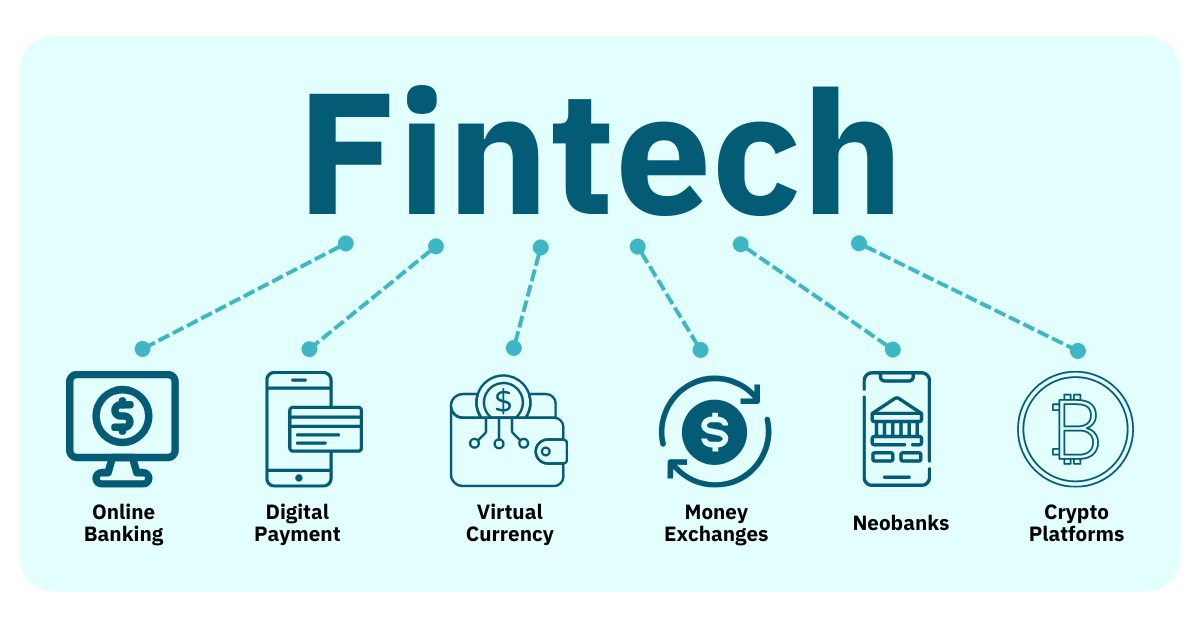
The growth of fintech applications, social media, video streaming, cloud services, remote work and digital commerce has increased the importance of dependable internet access.
Operators are therefore competing not only on the size of their subscriber bases but also on network quality, coverage, speed and the value customers receive from their data plans.
For MTN and Airtel, their expanding lead gives them a strong platform from which to capture this growing demand.
For Glo and T2, reversing subscriber losses will require more than simply retaining existing customers. They will need to convince users that their networks can provide a competitive combination of coverage, reliability, pricing and digital services.
Concentration Raises Competition Questions
The widening gap between the market leaders and smaller operators could also attract greater attention from regulators and industry stakeholders.
A market dominated by two large players can provide scale and investment capacity, but it can also raise concerns about the sustainability of competition if smaller operators continue to lose customers.
For consumers, the key issue will be whether increased market concentration ultimately translates into better network investment and service quality or limits the range of competitive alternatives available to them.
The Nigerian Communications Commission (NCC) will remain central to monitoring these developments and maintaining a telecommunications environment that encourages investment while protecting consumer interests.
The Road Ahead for Nigeria’s Smaller Telcos
The latest subscriber trends underline the difficult road ahead for Glo and T2 Mobile.
Both operators remain significant participants in Nigeria’s telecommunications ecosystem, but their declining internet customer numbers show the scale of the challenge confronting them.
For Glo, restoring growth will require rebuilding customer confidence and converting its network capabilities into stronger subscriber retention.
T2 faces an even steeper task as it attempts to rebuild its internet business from a much smaller base.
Meanwhile, MTN and Airtel are entering the next phase of Nigeria’s digital expansion from positions of considerable strength.
As data consumption continues to grow, the country’s telecoms competition may increasingly become a two-horse race unless smaller operators can reverse their losses and find new ways to differentiate themselves.
For Nigeria’s digital economy, the outcome matters. A healthy telecoms market requires not only larger networks and rising data consumption but also enough competitive pressure to keep connectivity accessible, reliable and innovative for millions of users.