







.
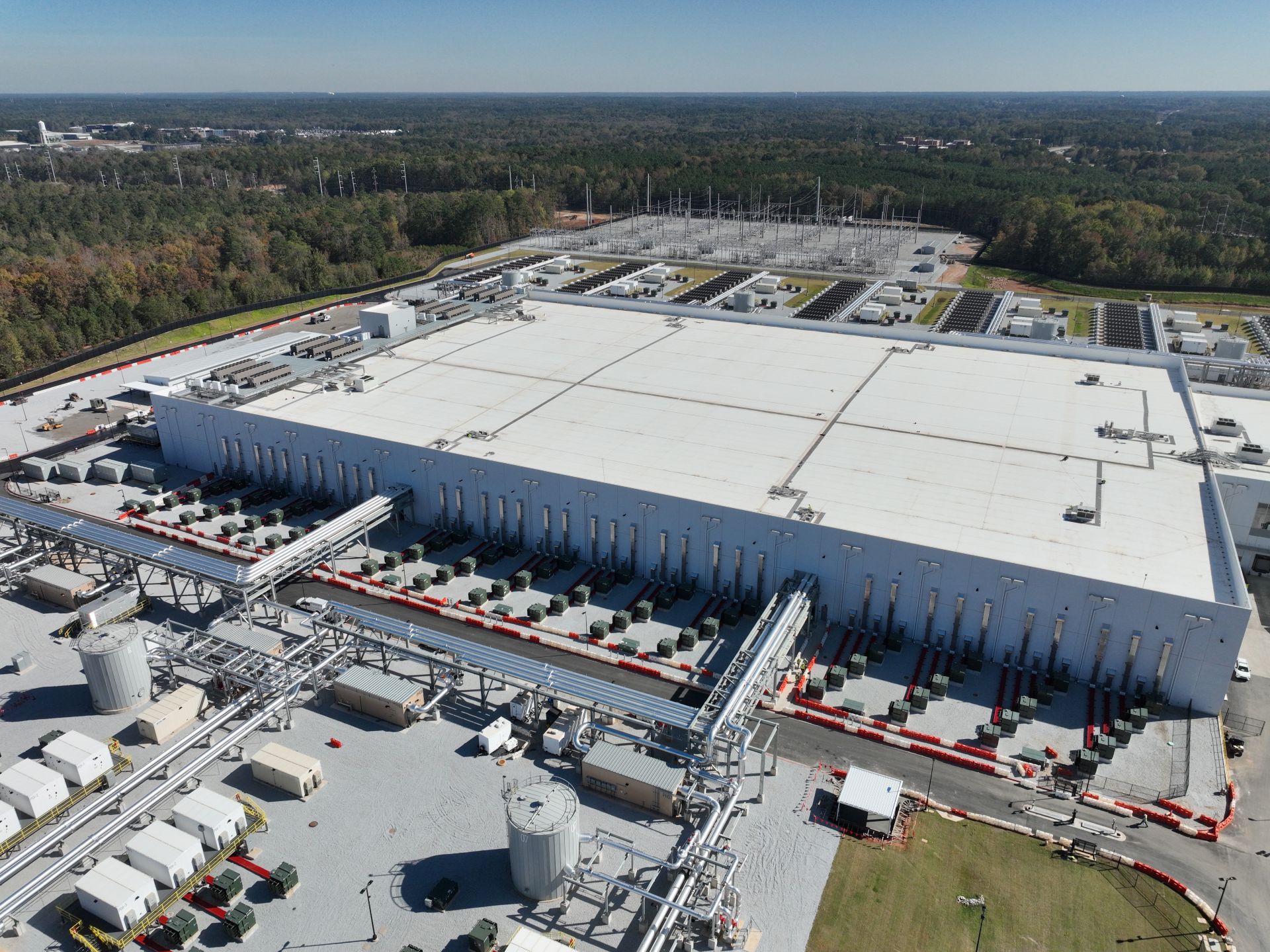
AMACO Energy Group is planning a $1.5 billion artificial intelligence data centre in Mombasa, Kenya, in a project that could offer a different model for expanding Africa’s computing infrastructure by combining data-centre capacity with dedicated power generation.
Power at the Centre of the AI Ambition
The proposed facility is notable not only for its size but also for its planned energy infrastructure.
AMACO intends to develop its own power supply alongside the data centre, addressing one of the biggest constraints facing large-scale computing infrastructure in Africa: access to reliable electricity.
The approach reflects a growing recognition that AI infrastructure requires significantly more power than conventional digital services. Data centres supporting AI workloads depend on high-performance computing equipment that can consume substantial amounts of electricity, making dependable energy supply critical to their operation.
Why Mombasa Matters
Mombasa provides an important strategic location for the proposed development.
The Kenyan coastal city is already an important connectivity hub, with submarine cable infrastructure linking East Africa to international internet networks. A large-scale data centre located in the area could therefore combine access to international connectivity with locally generated power.
That combination could strengthen Kenya’s position as a destination for digital infrastructure investment while providing additional capacity for businesses and organisations seeking computing resources within Africa.
Africa’s AI Infrastructure Gap
AMACO’s proposal arrives as demand for AI services grows across the continent.
African startups, businesses, governments and research institutions are increasingly experimenting with artificial intelligence, but the continent still has relatively limited data-centre capacity compared with larger global technology markets.
This creates dependence on computing infrastructure located outside Africa and can increase costs, latency and concerns around data sovereignty.
The planned facility therefore represents more than another data centre. It highlights the need for Africa to build the underlying infrastructure required to participate meaningfully in the AI economy.
Energy and Computing Need to Grow Together
AMACO’s decision to integrate power generation into its data-centre plans could offer an alternative approach to the energy challenges facing Africa’s digital infrastructure sector.
For conventional data centres, unreliable electricity can already raise operating costs because facilities require backup systems and alternative sources of power. AI-focused centres could face even greater demands as high-performance computing capacity expands.
By developing dedicated energy infrastructure, AMACO is effectively treating electricity as part of the data-centre investment rather than as an external requirement.
A Potential Blueprint for Other African Markets
The project could also offer lessons for other African countries seeking to attract AI and cloud infrastructure investment.
The continent has significant renewable-energy potential, expanding fibre networks and a rapidly growing digital economy. However, turning those advantages into competitive AI infrastructure requires coordinated investment in power, connectivity, computing capacity and skills.
AMACO’s model brings two of those critical components power and computing into the same investment proposition.
The Bigger AI Infrastructure Question
The proposed $1.5 billion facility underscores a broader issue facing Africa’s technology ambitions: building AI applications is only one part of participating in the artificial intelligence economy.
The continent will also need the physical infrastructure capable of running those applications at scale.
If projects such as AMACO’s move from plans to execution, they could help increase Africa’s domestic computing capacity and reduce some of the infrastructure barriers facing the continent’s emerging AI ecosystem.
For Kenya, the Mombasa project could strengthen its position in Africa’s data-centre market. For the wider continent, it highlights a more fundamental lesson Africa’s AI ambitions will ultimately depend as much on reliable power and computing infrastructure as they do on software and innovation.