






.
Africa’s rapidly expanding fintech industry must place greater emphasis on the reliability and resilience of the infrastructure supporting digital payments if the sector is to sustain its growth and retain customer confidence, Belema Fintech’s Acting Managing Director and Chief Executive Officer, Michael Adesola, has said.
Adesola made the remarks at the Nigerian Fintech Forum, where he urged players across the continent’s financial technology ecosystem to look beyond user numbers, transaction volumes and new digital products and focus more closely on the infrastructure required to keep financial services running reliably.
Fintech Growth Creates New Infrastructure Pressure
According to Adesola, Africa does not necessarily face a shortage of fintech companies. Rather, the industry risks developing a resilience gap as digital financial services expand at a rapid pace.
Millions of users now depend on fintech platforms for transfers, payments and other financial services, placing growing pressure on payment infrastructure and the systems connecting banks, processors, switches and technology providers.
Adesola argued that the next stage of fintech development will therefore be determined not simply by how quickly companies can acquire customers, but by whether the systems supporting that growth can continue functioning under pressure.
Failed Transactions Threaten Customer Trust
Transaction failures were identified as one of the biggest risks to confidence in digital financial services.
Adesola noted that customers are generally less concerned about which part of the payment chain experiences a technical problem. Whether a failure originates with a bank, processor, switch or service provider, the customer ultimately experiences the same outcome when funds do not reach the intended recipient.
He said this makes reliability a core part of the customer experience rather than merely a technical issue for payment companies.
A payment that appears successful to the sender but fails to reach the beneficiary can undermine confidence in the entire digital financial system.
Redundancy and Stress Testing Become Critical
To address these risks, Adesola called on fintech companies and infrastructure providers to test their systems rigorously before they encounter real-world pressure.
He highlighted stress testing, redundancy and interoperability as key components of resilient payment infrastructure.
Critical systems, he argued, should have alternative mechanisms capable of maintaining services when individual components fail. Greater interoperability among financial institutions and payment providers could also reduce the impact of isolated disruptions.
Adesola further encouraged collaboration among industry participants, noting that competition remains important but cooperation is necessary where the stability of the broader financial ecosystem is at stake.
Infrastructure Behind the Apps Matters
The Belema Fintech executive also urged stakeholders to pay more attention to the infrastructure operating behind the mobile applications and digital interfaces consumers see.
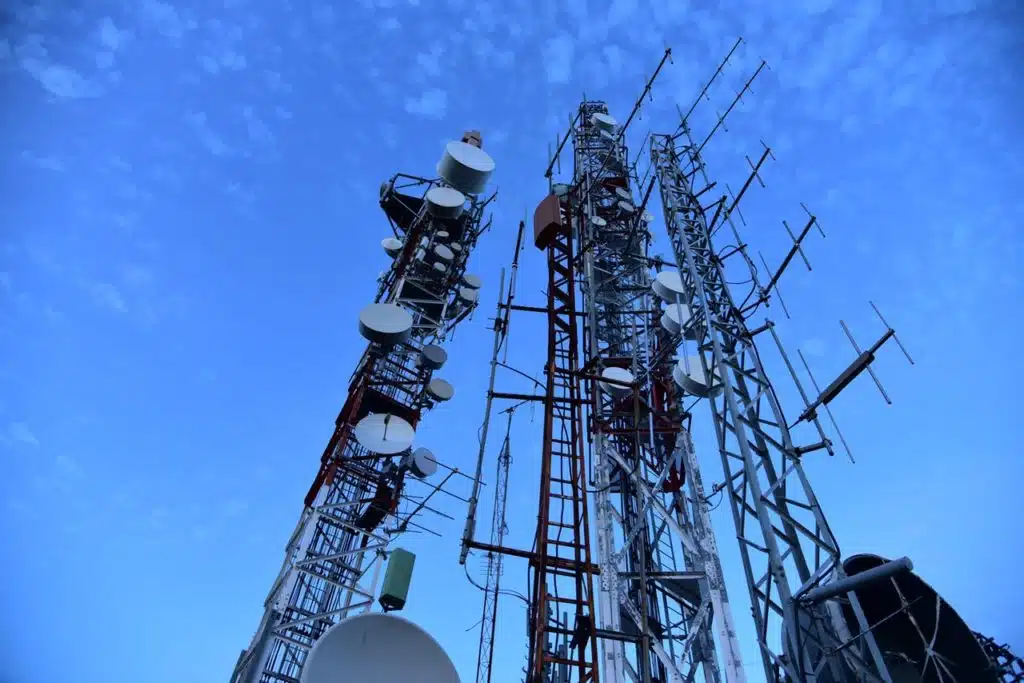
Payment rails, processing systems, switching infrastructure, identity services, application programming interfaces, cybersecurity systems, connectivity and backup mechanisms all play important roles in determining whether a digital financial service can deliver what it promises.
He argued that an attractive application cannot compensate for infrastructure that breaks down when customers need it most.
The reliability of the final connection between a payment service and its users, he said, should therefore become a more important measure of fintech performance.
Belema Focuses on Payment Infrastructure
The concerns raised by Adesola are closely connected to Belema Fintech’s own business model.
The company is licensed by the Central Bank of Nigeria (CBN) as a switching and processing institution and provides payment infrastructure to financial institutions, merchants and fintech companies.
Its services cover areas including instant transfers, card-payment processing, online collections and direct debit services.
The company maintains that resilience, security and interoperability should be built into payment infrastructure from the outset rather than treated as additional features.
Redefining What Fintech Success Means
As Africa’s fintech ecosystem enters a more mature phase, Adesola believes the industry needs to reconsider how it measures success.
Rapid user acquisition and high transaction volumes remain important indicators, but they do not necessarily demonstrate that a fintech company can consistently deliver reliable financial services.
The companies positioned to succeed, he argued, will increasingly be those capable of ensuring that transactions are completed securely, reliably and within the expected timeframe.
For the wider African fintech market, that could shift attention from simply building more digital applications towards strengthening the payment rails, connectivity and technology infrastructure that make those applications useful.
The message from Belema Fintech is straightforward: as Africa’s digital finance ecosystem grows, the infrastructure underneath it must grow stronger at the same pace.