






.
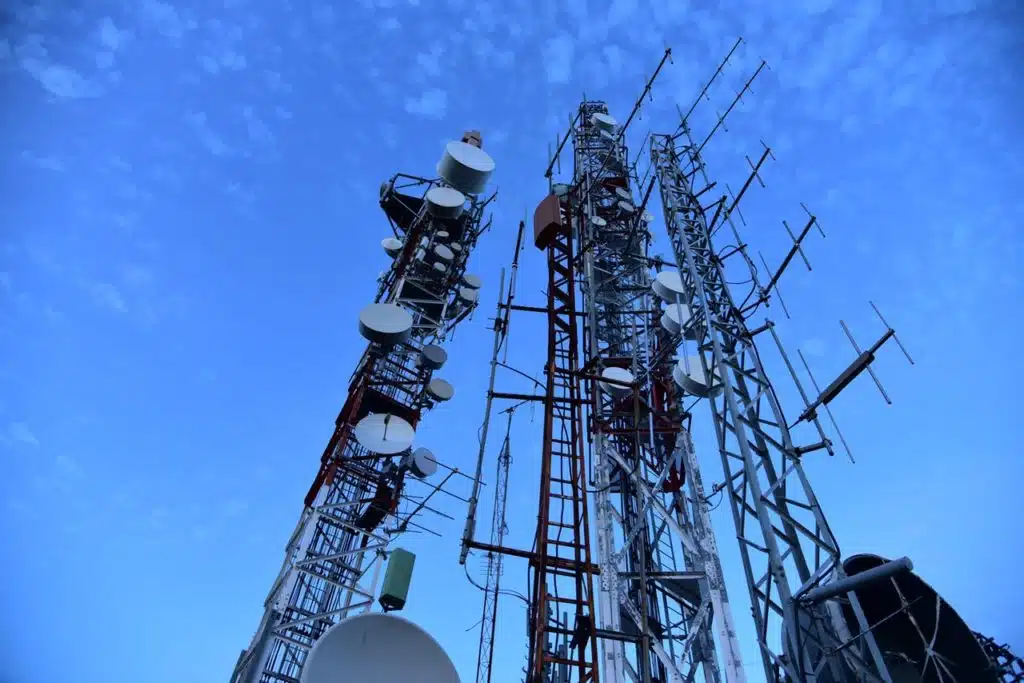
Twenty-five years after the introduction of the Global System for Mobile Communications (GSM) transformed Nigeria’s telecommunications landscape, industry stakeholders are warning that the sector is confronting its most significant challenge yet—not expanding network coverage, but protecting the critical infrastructure that powers the country’s digital economy.
From supporting banking transactions and e-commerce to enabling telemedicine, online education and emerging artificial intelligence (AI) applications, telecom infrastructure has become central to Nigeria’s digital transformation. However, operators say persistent vandalism, fibre optic cable cuts, soaring energy costs, insecurity, multiple taxation and inconsistent Right-of-Way (RoW) policies now threaten the sector’s sustainability.
From Network Expansion to Infrastructure Protection
Speaking at the Nigeria Information Technology Reporters Association (NITRA) conference in Lagos, Gbenga Adebayo, Chairman of the Association of Licensed Telecommunications Operators of Nigeria (ALTON), said the industry’s priorities have evolved significantly over the past two decades.
According to him, while the initial task following GSM liberalisation in 2001 was to connect millions of Nigerians, the pressing challenge today is maintaining resilient, reliable and high-quality connectivity despite mounting operational pressures.
He noted that the telecommunications sector has grown from fewer than 400,000 connected telephone lines before liberalisation to over 170 million active subscriptions, making it one of Nigeria’s most successful economic reform stories.
Rising Threats to Digital Infrastructure
Adebayo stressed that telecommunications infrastructure should be regarded as national economic assets because disruptions affect virtually every sector of the economy.
He likened telecom networks to major transportation infrastructure such as bridges and rail systems, arguing that damage to telecommunications facilities can cripple businesses, financial services and essential public services in much the same way that the shutdown of major transport routes would disrupt economic activity.
He also maintained that improving quality of service requires more than regulatory sanctions against operators, pointing out that service disruptions are often caused by external factors beyond the control of telecom companies, including unstable electricity supply, vandalism, fibre cuts, insecurity and delays in securing Right-of-Way approvals.
Industry Seeks Collaborative Solutions
To address these challenges, ALTON is advocating a coordinated approach involving government, regulators, security agencies, infrastructure providers, host communities and consumers.
Adebayo argued that safeguarding telecom assets should become a national priority as demand for broadband services continues to rise with the adoption of AI, cloud computing, the Internet of Things (IoT) and other data-intensive technologies.
He said Nigeria’s ambitions to build a competitive digital economy would depend largely on investments in resilient broadband infrastructure capable of supporting next-generation digital services.
CNII Designation Welcomed
The telecom industry also welcomed the Federal Government’s decision to classify telecommunications facilities as Critical National Information Infrastructure (CNII).
According to Adebayo, the designation represents one of the sector’s most significant policy achievements since GSM liberalisation and is expected to strengthen legal protection for telecom assets while improving collaboration between operators, regulators and security agencies in tackling infrastructure sabotage and vandalism.
He further commended the Nigerian Communications Commission (NCC) under Executive Vice Chairman Aminu Maida for pursuing what he described as a transparent and evidence-based regulatory approach.
Among the initiatives highlighted were the recent telecommunications tariff review, the resolution of the long-running USSD debt dispute between banks and telecom operators, and ongoing implementation of the CNII framework.
On the review of Mobile Termination Rates (MTRs), Adebayo urged stakeholders to allow the NCC complete its assessment independently, noting that any future pricing model should balance competition, consumer protection and continued investment in network infrastructure.
Cybersecurity Becomes Strategic Priority
Beyond physical infrastructure, experts say Nigeria’s digital future also depends on stronger cybersecurity.
Speaking at the same event, Olufunke Tonye-Preghafi, Chief Financial Officer and Head of Operations at Quomodo Systems Africa, said expanding connectivity alone would not be sufficient if organisations fail to secure the digital infrastructure underpinning critical services.
She observed that cyber threats are becoming increasingly sophisticated as businesses adopt AI and cloud technologies, making cybersecurity a strategic boardroom issue rather than simply an information technology concern.
According to her, organisations must strengthen governance frameworks, cloud resilience and digital security to ensure that ongoing digital transformation efforts deliver sustainable long-term value.
Industry Enters a New Era
As Nigeria marks a quarter-century since the launch of GSM services, industry leaders believe the sector is entering a new phase where resilience, infrastructure protection and digital security will define its future.
While expanding network coverage remains important, stakeholders argue that safeguarding existing telecommunications infrastructure will be critical to supporting Nigeria’s ambitions in artificial intelligence, cloud computing, digital finance and other technologies expected to drive the country’s next wave of economic growth.