



.
Lagos-based grocery delivery startup GoLemon, founded by former Paystack employees, is shutting down after failing to secure fresh funding to finance its next phase of growth, bringing an end to a two-year effort to build a lower-cost grocery shopping model for Nigerian households.
The startup stopped accepting orders in July 2026 and will close its customer support channels on Sunday, August 2, according to a statement shared with TechCabal.
Since launching in 2024, GoLemon said it fulfilled tens of thousands of orders across Lagos, with an average basket size of about ₦43,700 ($32).
The company said its individual orders were profitable after direct costs, but the volume of transactions was insufficient to cover the broader fixed costs associated with running its own supply chain.
“What we didn’t reach, within the capital and time available, was making the wider business self-sustaining without further outside capital.”
Profitable Orders, But Not Enough Volume
GoLemon’s experience highlights one of the central difficulties facing grocery and food delivery businesses: achieving enough order density to make the entire operation financially sustainable.
The startup said its average basket generated a positive contribution after direct costs. However, the economics varied depending on factors including basket size, product mix, delivery distance, fulfilment volumes and whether fresh produce was included.
Larger baskets and concentrated delivery locations generally produced stronger economics.
The challenge was generating enough orders within sufficiently dense locations for those individual contributions to cover fixed expenses such as infrastructure, staffing and operations.
The problem is not unique to GoLemon. Larger companies, including Jumia and Bolt, previously withdrew from food and grocery delivery operations in Africa after struggling with weak unit economics and mounting losses.
A Fully Integrated Grocery Model
GoLemon launched in 2024 with a strategy built around controlling much of the grocery supply chain.
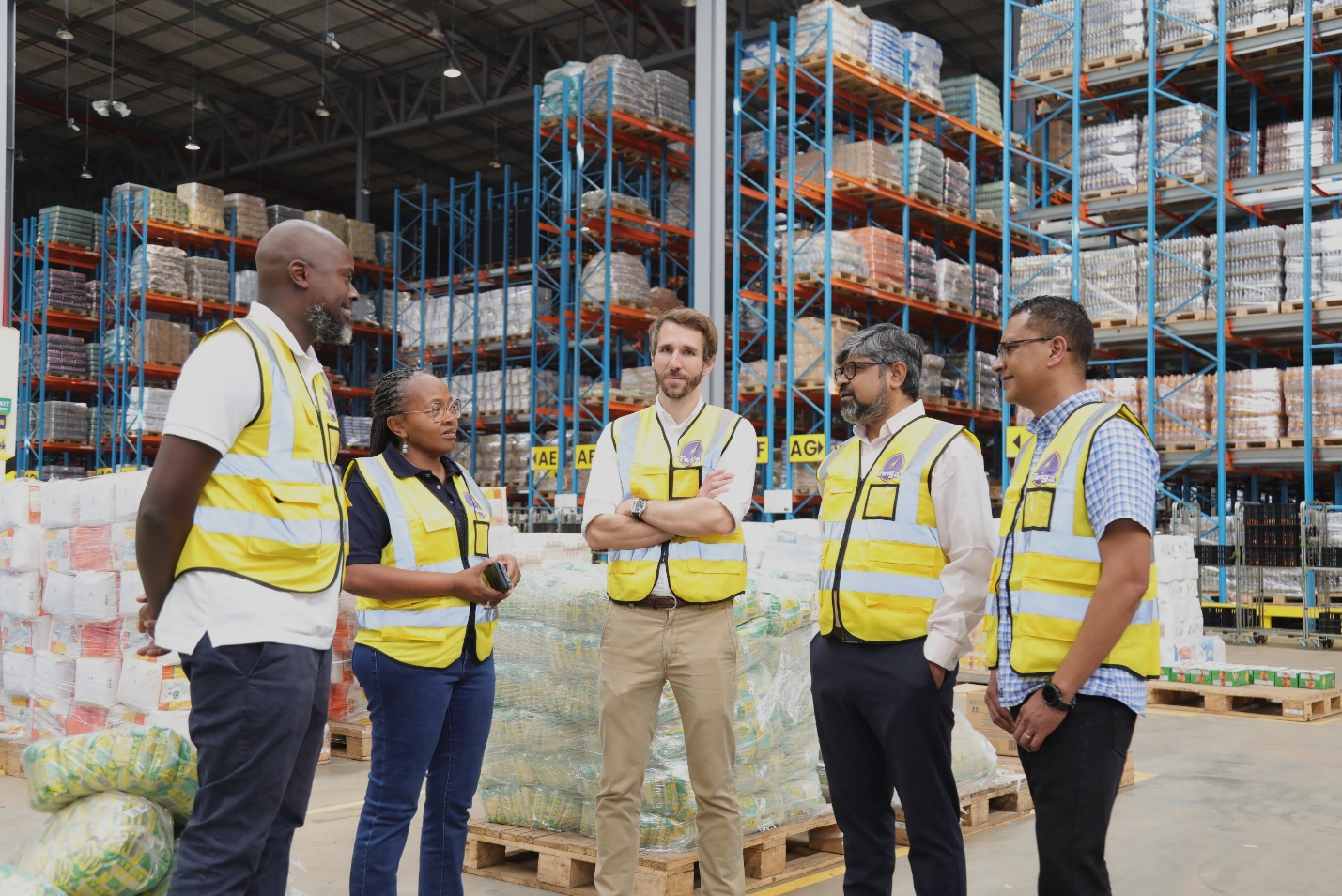
The company sourced products directly from farmers and manufacturers, purchased in bulk, operated its own warehouses, inspected produce, developed its shopping application and internal software, and managed deliveries.
Rather than competing primarily on rapid delivery of individual items, GoLemon focused on planned household shopping and larger baskets purchased on a regular basis.
The model offered greater control over pricing and product quality but also left the startup responsible for costs that marketplace-based businesses can shift to third parties.
These included warehousing, electricity, diesel, staffing, technology and delivery operations.
Looking back, GoLemon said the issue was not necessarily choosing to build infrastructure internally, but attempting to build too much of it too quickly.
The company said it would have preferred to introduce infrastructure more gradually, keep a larger portion of its expenses variable and work with external partners earlier where doing so would not undermine affordability or customer experience.
Funding Runway Runs Out
GoLemon ultimately shut down after failing to close a funding round before exhausting its remaining cash.
Although the company attracted investor interest and was founded by former Paystack executives with established reputations in Nigeria’s technology ecosystem, it said there was no single reason behind the failure to secure financing.
Investors, according to the startup, had to weigh the potential returns against the amount of capital and time required to scale a business that is operationally intensive and requires substantial cash.
“The timelines required to complete an investment did not align with the runway we had left,” the company said.
The funding environment had also become more difficult for capital-intensive consumer startups compared with the conditions when GoLemon launched in 2024.
Economic Pressures Added to the Challenge
GoLemon’s business faced additional pressure from Nigeria’s difficult operating environment.
Rising food inflation and the depreciation of the naira increased the cost of products and other inputs, even as the company’s value proposition depended heavily on offering customers low prices.
At launch, co-founder Abdulrahman Jogbojogbo had acknowledged the challenging fundraising environment, saying the company would need to withstand difficult conditions before building a formidable business.
That opportunity ultimately did not materialise before the company’s funding runway expired.
Chowdeck Partnership Offered Wider Reach
In December 2025, GoLemon entered into a supply arrangement with Chowdeck, allowing customers to purchase GoLemon’s groceries through Chowdeck’s platform.
Under the arrangement, GoLemon sourced and fulfilled the orders, while Chowdeck’s riders handled delivery.
The partnership gave GoLemon access to a broader customer base and a more flexible delivery network. However, the company did not disclose what proportion of its orders came through the partnership or whether the arrangement was profitable.
GoLemon also held discussions with other parties about possible strategic alternatives. Some negotiations progressed, but none resulted in a completed transaction before the company had to wind down.
Shutdown Process Underway
GoLemon said employee salaries have been paid on a prorated basis and that it has no outstanding payments to suppliers, service providers or partners.
Approximately 20% of its employees have secured new roles, while the company said it is assisting other staff through introductions and references.
The startup also said customer refund cases identified so far have been resolved. Its support channels will remain open until August 2 for customers with unresolved orders or payment issues.
The company is also winding down its direct relationships with farmers and small manufacturers.
GoLemon Still Believes in the Model
Despite the shutdown, GoLemon said the closure does not invalidate its underlying belief that Lagos households have demand for planned, large-basket grocery shopping.
The company pointed to basket sizes, repeat purchases and the number of households returning to the platform for regular shopping as evidence of that demand.
Its argument was that customers were willing to prioritise price and quality over speed, particularly when purchasing groceries for planned household consumption.
GoLemon said its broader conviction remains that grocery shopping in Lagos can become more affordable, dependable and better aligned with how households actually purchase food.
The startup plans to publish a fuller account of its experience after completing the wind-down.
For Nigeria’s e-commerce sector, however, GoLemon’s closure highlights a difficult reality: proving that individual transactions can be profitable is only one part of the equation. For capital-intensive businesses, reaching the order density required to make the entire operation sustainable can be an even greater challenge.