










.
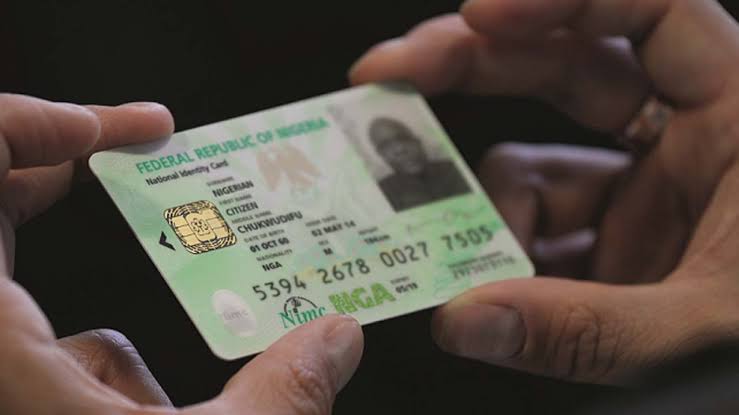
Uganda has approved a major overhaul of its tax identification system, with the National Identification Number (NIN) set to become the standard tax identifier for individuals and replace the separate Tax Identification Number (TIN).
The decision, approved by Cabinet at its August 31, 2026 meeting and announced on September 1, is aimed at creating a unified identity system for taxpayers, improving the accuracy of government records and strengthening domestic revenue collection.
Under the new arrangement, an individual’s NIN, issued by the National Identification and Registration Authority (NIRA), will serve as their tax identification number. This means citizens will no longer need to maintain separate identity numbers for national identification and tax administration.
Government Targets Better Taxpayer Tracking
The reform is designed to address weaknesses in Uganda’s longstanding tax registration process, which authorities say has produced outdated and inconsistent records.
ICT and National Guidance Minister Justine Kasule Lumumba said adopting the NIN as the tax identifier would give government agencies a common reference point for identifying taxpayers.
The government expects the system to improve the accuracy of the taxpayer register, strengthen its ability to identify and trace taxpayers and allow government databases to work more effectively together.
For taxpayers, authorities also expect the change to simplify registration and interactions with the Uganda Revenue Authority (URA).
Beyond convenience, however, the reform has a much broader revenue objective. By connecting tax records more directly to the national identity system, the government hopes to improve compliance, reduce revenue leakage and expand the number of economically active people captured within the tax net.
Taxpayer Numbers Rise as New Registrations Slow
The move comes against the backdrop of Uganda’s efforts to broaden its domestic revenue base.
The country’s registered taxpayer population has increased substantially in recent years, but the pace of new registrations has weakened. Individual TIN registrations fell from 513,898 in the 2021/22 financial year to 262,918 in 2024/25.
Non-individual registrations also declined, dropping from 21,522 to 18,023 over the same period.
At the same time, the overall number of registered taxpayers increased from about 2.62 million in 2021/22 to 5.25 million, highlighting both the progress already made and the challenge of bringing more potential taxpayers into the formal system.
The government believes a tax architecture anchored to national identification could make it easier to close gaps in taxpayer records and identify people who may currently sit outside the formal tax system.
Reform Started Before Cabinet Approval
Although Cabinet’s decision represents an important step, the transition did not begin from scratch.
Uganda’s Tax Procedures Code Act had already established the legal framework for replacing individual TINs with NINs and using Business Registration Numbers (BRNs) for non-individual taxpayers from July 1, 2025.
The URA subsequently instructed registered taxpayers in May 2026 to update their records with their NINs or BRNs, alongside information such as current telephone numbers, physical addresses and business details.
The latest Cabinet approval therefore moves the country further towards making that integrated identity model the operational standard rather than maintaining the old standalone TIN structure.
One Identity Across Government Systems
The tax reform forms part of Uganda’s wider push to connect government databases and expand digital public services.
By bringing national identity and taxation closer together, authorities hope information can move more effectively between institutions involved in areas such as tax administration, business registration and other public services.
The approach could also improve the government’s ability to identify inconsistencies between records and build a more reliable picture of economic activity.
For Uganda, the objective is not simply to replace one number with another. It is to create a common digital identity framework that can support more efficient administration and stronger revenue mobilisation.
Revenue Collection Adds Urgency
The push to improve tax identification comes as Uganda seeks to strengthen domestic revenue generation and reduce the pressure on public finances.
The country’s revenue collection already depends heavily on employment-related taxes, with Pay-As-You-Earn (PAYE) contributing a significant share of receipts.
The government is simultaneously pursuing other reforms aimed at improving tax compliance and digitising collection processes, including the phased implementation of electronic fiscal invoicing.
Together, these measures point to a broader strategy of using technology, data integration and digital records to improve the efficiency of Uganda’s tax system.
What the NIN Shift Means for Uganda
The adoption of the NIN as the individual tax identifier could make tax administration more streamlined while giving the government greater visibility over the people and economic activities within its jurisdiction.
For citizens, having one identifier across major government systems could reduce the administrative burden associated with maintaining multiple records.
For the URA, a more closely integrated identity database could provide better-quality taxpayer information and make it easier to detect gaps in registration and compliance.
The reform also illustrates a wider trend across Africa, where governments are increasingly linking national identification systems with taxation, financial services and other digital public infrastructure.
Uganda’s challenge now will be ensuring that the integration works effectively across government agencies, protects the accuracy and security of citizens’ data, and translates into a genuinely broader and more efficient tax base.