


.
MTN Nigeria incurred close to ₦3 trillion in operating costs during the first half of 2026 as the telecommunications giant ramped up network investments while contending with rising taxes, diesel expenses and other operational challenges.
The expenditure underscores the significant financial commitment required to sustain and expand telecom infrastructure in Africa’s largest mobile market, where operators continue to invest heavily in network quality amid surging demand for voice and data services.
Network Expansion Remains Top Priority
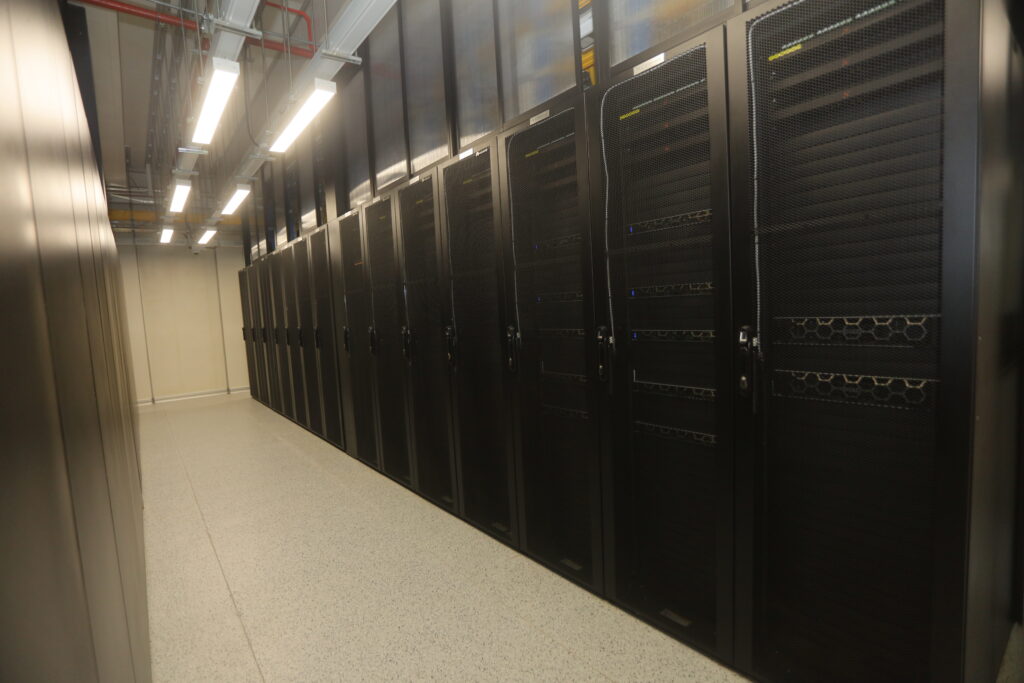
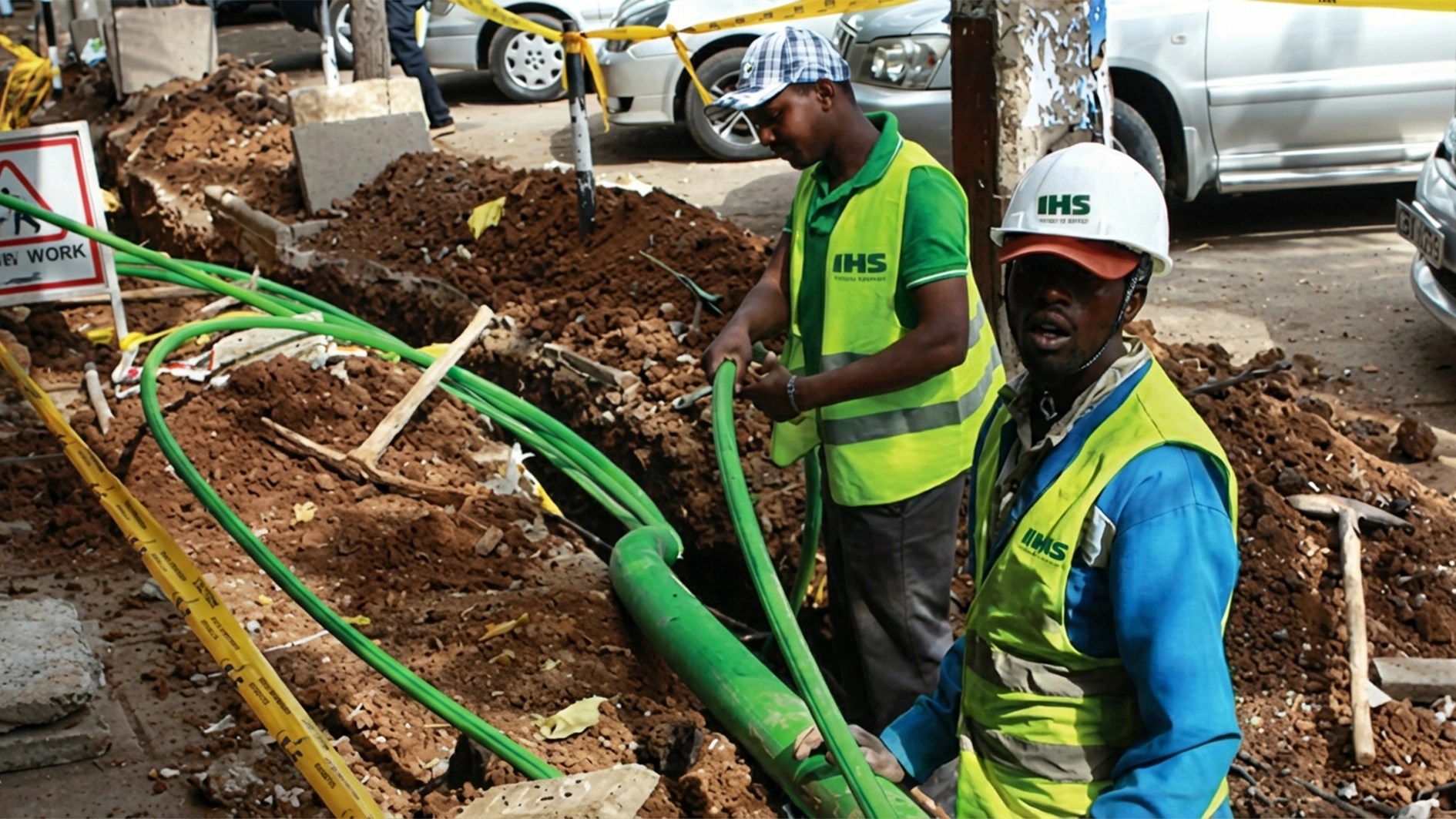
A substantial portion of MTN Nigeria’s spending during the six-month period went into expanding and modernising its network infrastructure.
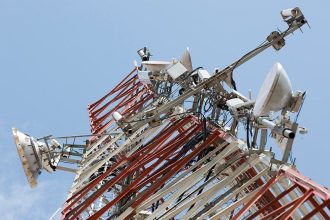
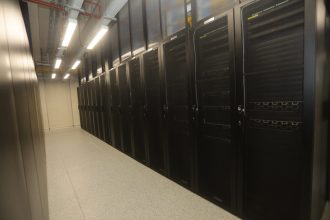
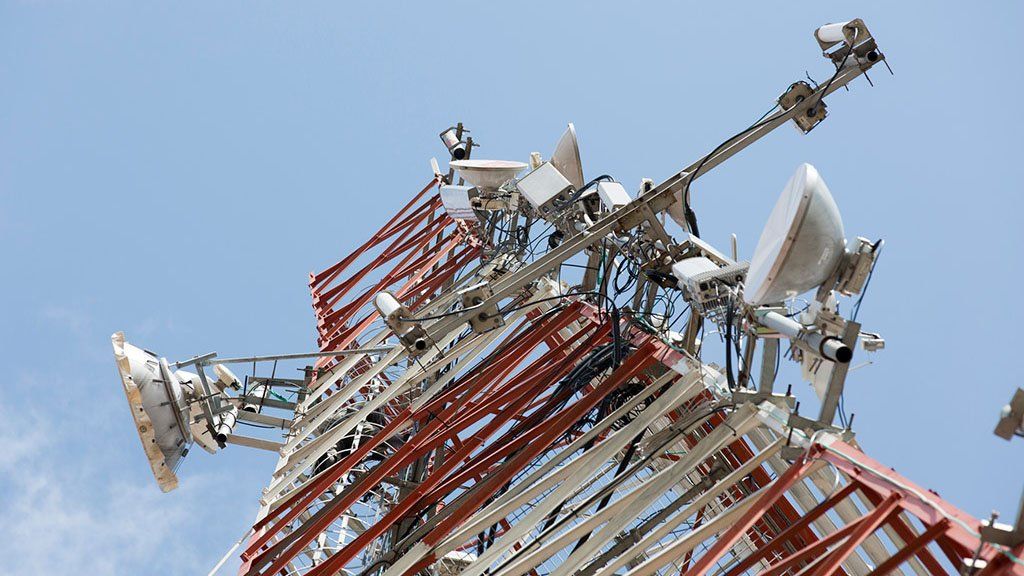
The company continued investing in new base stations, fibre connectivity, transmission equipment and capacity upgrades to improve service quality and support growing data consumption across the country.
The investments align with MTN’s broader strategy of strengthening network coverage, improving customer experience and preparing its infrastructure for increasing digital demand, including the rollout of next-generation technologies.
Taxes Continue to Weigh on Operations
Beyond capital expenditure, taxation remained one of the company’s largest financial obligations.
MTN Nigeria paid significant amounts in corporate taxes, regulatory levies and statutory charges during the review period, reflecting the substantial fiscal contribution made by the telecommunications sector to government revenues.
Industry stakeholders have consistently argued that the multiple taxes and levies imposed on telecom operators increase operating costs and could affect the pace of infrastructure expansion if not streamlined.
Diesel Costs Remain a Major Expense
Powering thousands of telecommunications sites across Nigeria continued to require enormous spending on diesel, particularly in areas with unreliable electricity supply.
With many base stations dependent on generators for uninterrupted operations, energy costs remained one of MTN’s largest recurring expenses despite efforts to improve energy efficiency and adopt alternative power solutions.
The company has increasingly explored renewable energy initiatives and hybrid power systems to reduce long-term dependence on diesel and improve operational sustainability.
Operating in a Challenging Environment
The first half of 2026 presented a demanding business environment for telecom operators.
Inflationary pressures, foreign exchange volatility, rising maintenance costs and higher prices for imported network equipment all contributed to increased operating expenses.
Despite these challenges, MTN maintained investment in critical infrastructure, reflecting the strategic importance of reliable connectivity to Nigeria’s digital economy.
Growing Demand Drives Infrastructure Spending
The continued growth in smartphone adoption, digital payments, video streaming, remote work and cloud-based services has significantly increased demand for mobile data and broadband services.
To keep pace, operators such as MTN have continued expanding network capacity while improving coverage in underserved communities.
Industry analysts note that sustained investment in telecom infrastructure is essential to supporting Nigeria’s ambitions for a more digitally connected economy.
Balancing Investment with Profitability
While the company’s large expenditure highlights the cost of operating Africa’s largest telecom network, it also demonstrates MTN’s commitment to long-term growth.
The operator continues to balance aggressive infrastructure investment with shareholder returns while navigating an operating environment characterised by high energy costs, regulatory obligations and currency-related pressures.
As demand for digital services accelerates, industry observers expect network investment to remain a priority for MTN Nigeria, although managing operating costs will continue to be critical to sustaining profitability in the years ahead.