








.
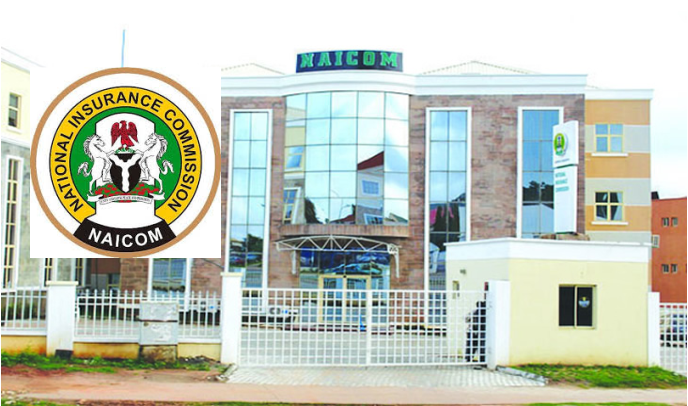
The National Insurance Commission (NAICOM) and the Islamic Financial Services Board (IFSB) are working on measures to strengthen Nigeria’s Takaful insurance market as regulators seek to widen insurance coverage and deepen financial inclusion.
The initiative follows a five-day Diagnostic Assessment Mission conducted by IFSB experts, who engaged regulators, Takaful operators, industry associations and development partners to examine the legal, regulatory and supervisory framework governing the segment.
Takaful Positioned as Alternative Insurance Model
Receiving the IFSB delegation led by Dr. Hamim Syahrum Ahmad Mokhtar, NAICOM Commissioner for Insurance Olusegun Omosehin said the commission views Takaful as a potential strategic vehicle for expanding insurance penetration and supporting financial inclusion across Nigeria.
Omosehin argued that Takaful should be regarded as an alternative insurance model rather than simply another segment of conventional insurance.
The model operates according to established Shariah governance principles and is built around concepts including mutual assistance, shared responsibility, transparency and surplus distribution. NAICOM believes these features could help attract consumers who remain outside the formal insurance system.
Regulatory Framework Comes Under Review
The IFSB assessment focused on identifying areas where Nigeria’s Takaful framework could be improved.
Among the issues highlighted are the need for stronger risk-based capital requirements, supervisory frameworks, data transparency and prudent surplus management.
These measures are expected to help protect participants while giving operators a stronger foundation for sustainable growth.
The assessment also examined broader areas including governance, disclosure, risk management and consumer protection, with its recommendations expected to feed into ongoing regulatory reforms.
Five-Day Stakeholder Engagement
During the mission, IFSB specialists held discussions with stakeholders across Nigeria’s Takaful ecosystem.
The engagements covered regulators, Takaful operators, industry associations and development partners, allowing the assessment team to gather perspectives on both the opportunities and challenges facing the market.
Mokhtar said the feedback from stakeholders would be incorporated into the organisation’s final recommendations.
The objective, according to the IFSB delegation, is not merely to identify weaknesses but to help Nigeria develop a stronger, more sustainable and internationally aligned Takaful industry.
Low Insurance Penetration Creates Opportunity
The renewed focus on Takaful comes as Nigeria continues to grapple with relatively low insurance penetration despite its large population and expanding economy.
NAICOM sees the model as one avenue through which more individuals and businesses could be brought into the formal insurance market.
For Takaful operators, however, expanding beyond their existing niche will require more than attracting customers seeking Shariah-compliant financial products. The sector must also demonstrate that its model can provide competitive, transparent and sustainable insurance solutions to a broader population.
Evidence of Market Potential
Recent developments within the sector indicate that Takaful’s distinctive features are beginning to gain visibility.
Nor Takaful Insurance Limited, for instance, recently distributed N427.96 million in surplus to eligible participants and enrollees who did not make claims during the 2024 financial year.
Such surplus distribution is one of the features that distinguishes Takaful from conventional insurance and could help improve consumer understanding and engagement with the model.
Full Assessment Report Expected
NAICOM said the preliminary findings have identified measures that could strengthen the legal, regulatory and supervisory architecture governing Takaful in Nigeria.
The commission expects its collaboration with the IFSB to contribute to greater financial stability, improved consumer confidence, stronger policyholder protection and responsible innovation within the insurance industry.
A comprehensive report from the diagnostic assessment is expected after the review process is completed and feedback from relevant stakeholders has been incorporated.
The Bigger Picture
The NAICOM-IFSB collaboration signals a broader attempt to move Takaful from a relatively specialised segment into a more significant component of Nigeria’s insurance ecosystem.
If regulatory reforms improve confidence, transparency and consumer protection while allowing operators to scale sustainably, Takaful could provide another channel for bringing underserved Nigerians and businesses into the formal insurance market.
For NAICOM, the immediate task is to translate the IFSB’s assessment into practical reforms. The longer-term test will be whether those reforms can turn Takaful’s potential into wider insurance participation and meaningful financial inclusion across Nigeria.