









.
Nigerian fintech companies are increasingly moving towards banking licences and broader financial-services models as the industry shifts away from a growth-at-all-costs approach towards sustainability, profitability and greater control of financial infrastructure.
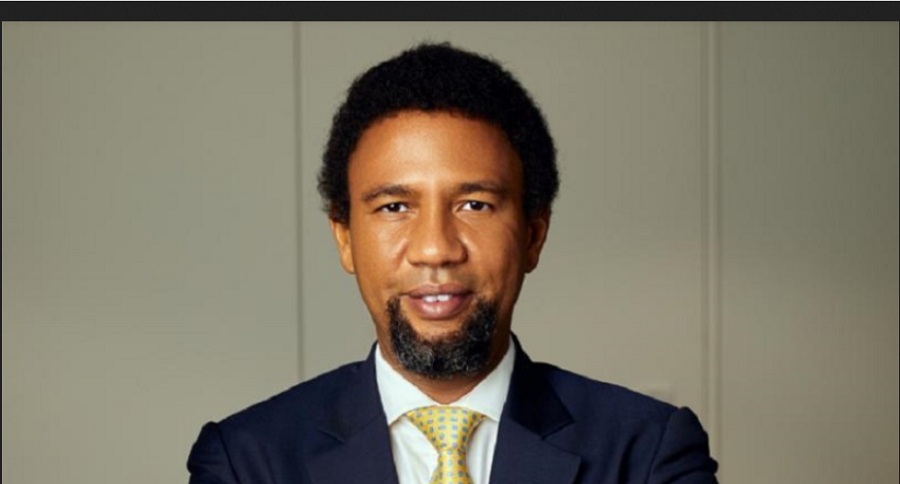
Babatunde Akin-Moses, founder of digital lending company Sycamore, said the change reflects a maturing fintech sector in which companies are paying greater attention to customer economics, liquidity, funding costs, regulatory changes and the resilience of their businesses.
According to him, the industry’s priorities have changed considerably over the past two to three years.
Previously, fintech conversations were dominated by user acquisition, transaction volumes, fundraising and valuations. Increasingly, companies are now asking more fundamental questions about how much it costs to acquire customers, how much revenue those customers generate and whether their business models can remain viable under changing economic conditions.
From Apps to Financial Institutions
Akin-Moses said one of the clearest signs of the industry’s maturation is the emergence of fintech companies seeking to become banks, financial holding companies or broader financial-services businesses.
The shift, he explained, is partly driven by the desire to offer customers a wider range of financial products while gaining greater control over the infrastructure required to deliver those services.
For fintechs that have already built substantial customer bases, remaining solely at the application layer can limit their ability to control important parts of the financial value chain.
Moving deeper into financial infrastructure can potentially give these businesses greater flexibility around funding, liquidity management and product development.
The trend also reflects the increasing complexity of operating a fintech business in an environment where currency movements, regulation and access to capital can materially affect performance.
Fintech Growth Story Is Changing
For much of the past decade, Nigeria’s fintech sector was largely defined by rapid expansion.
Companies competed aggressively for customers and transaction volumes, while investors placed significant emphasis on user growth and valuations.
That model has become harder to sustain as funding conditions have tightened and investors have placed greater emphasis on financial discipline.
Akin-Moses described the transition as a move from a growth story to a sustainability and institutionalisation story.
The implication is that fintechs can no longer rely solely on attracting more users or processing larger transaction volumes. They increasingly need to demonstrate that their customers generate sustainable economic value and that the businesses can manage their costs and capital effectively.
Infrastructure Becomes the New Battleground
The changing strategy also points to a broader evolution in African fintech.
Competition is gradually moving beyond the consumer-facing application itself to the infrastructure supporting financial services.
Payment rails, credit infrastructure, liquidity, compliance systems and access to capital are becoming increasingly important as fintech companies expand.
For companies operating across multiple markets, the challenge becomes even more complex because they must navigate different regulatory environments and currency conditions.
This has made control over critical parts of the financial-services stack increasingly attractive.
Customer Relationships Drive Expansion
Another factor behind the move towards broader financial institutions is the opportunity to deepen relationships with existing customers.
Rather than offering one product through an app, fintechs can potentially provide payments, savings, credit and other financial services through a more integrated platform.
The strategy can create multiple revenue streams while reducing reliance on a single product or transaction category.
However, becoming a bank or financial holding company also introduces greater regulatory and operational responsibilities.
Companies pursuing that path must be prepared to meet more demanding requirements around capital, governance, risk management, compliance and liquidity.
Nigerian Fintech Enters Its Next Phase
The evolution of fintech businesses suggests that the industry’s next chapter could look very different from the previous decade.
Instead of simply asking how quickly a startup can acquire millions of users, investors and operators are increasingly focused on whether those users can support profitable and resilient businesses.
The emergence of fintechs seeking banking status therefore represents more than a change in licensing structure. It signals a deeper attempt by mature technology companies to own more of the financial infrastructure on which their businesses depend.
For Akin-Moses and other industry operators, the future of Nigerian fintech will consequently be shaped less by the number of people downloading financial apps and more by the ability of companies to build durable institutions capable of managing capital, serving customers comprehensively and surviving economic and regulatory shocks.
The sector’s transition from rapid growth to institutional maturity could ultimately determine which of Nigeria’s fintech companies become enduring financial institutions rather than simply successful technology startups.