





.
Nigeria’s capital market may need a new regulatory framework for social media marketing and digital investor communication as online platforms increasingly influence investment decisions, corporate reputation and market value.
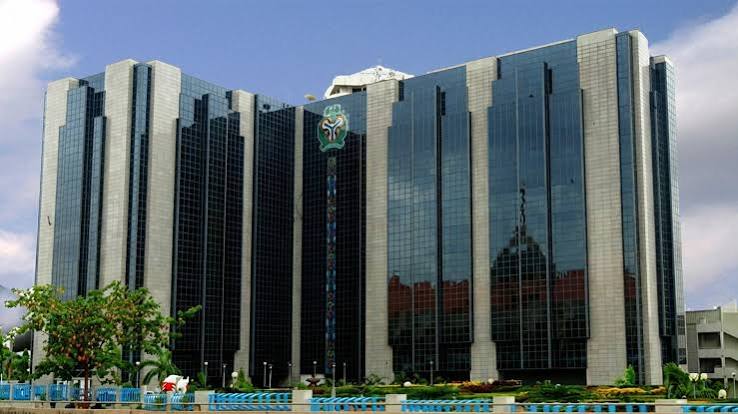
A new study has called on the Securities and Exchange Commission (SEC), Central Bank of Nigeria (CBN) and Nigerian Exchange (NGX) to strengthen oversight of digital marketing activities across the capital market, particularly social media promotions, influencer campaigns and online investor relations.
The call was made by Akinbowale Sileola Adebusola, a researcher who conducted a doctoral investigation at Babcock University.
According to Adebusola, the rapid migration of corporate communication and investment conversations to digital platforms is creating regulatory gaps that conventional disclosure rules may not adequately address.
The researcher argued that digital communication has moved beyond being simply a marketing channel and has become an increasingly important factor in how investors perceive companies and make investment decisions.
Study links digital engagement to corporate value
The research was based on a census of 392 senior management executives across 22 listed service companies, recording a 98.5 per cent response rate.
The study found that social media marketing and investor relations jointly explained 71.7 per cent of the variance in value creation, represented by an adjusted R² of 0.717.
When firm size was taken into consideration, the explanatory power increased to 74.7 per cent.
Adebusola said the findings demonstrate the growing economic importance of digital communication.
The researcher also found that influencer activity had a positive and significant relationship with market capitalisation, recording a beta coefficient of 0.314.
The findings point to a growing reality in Nigeria’s capital market: messages circulating on social media can influence how investors view companies, securities and market opportunities.
Researcher warns of digital hype and undisclosed promotion
Despite the potential benefits of digital communication, Adebusola warned that the same platforms could create new risks for investors.
The researcher highlighted concerns around undisclosed promotional arrangements, digital hype and potentially misleading communications.
This becomes particularly important when social media personalities discuss listed companies or securities without clearly indicating whether they have a commercial relationship with the company, a financial interest in the security or have been paid to promote a particular message.
Adebusola therefore called for the SEC and NGX to require listed companies to make quarterly disclosures of their social media advertising expenditure.
Such disclosures, according to the recommendation, should cover the platforms used, attribution metrics and fees paid to digital agencies.
The researcher also proposed an influencer marketing code requiring individuals who discuss listed securities or companies online to disclose relevant financial or commercial relationships.
CBN urged to tighten digital communication rules
The recommendations extend beyond listed companies.
Adebusola urged the CBN to establish binding digital communication guidelines for deposit money banks, payment service providers and listed financial institutions.
The proposed framework would focus particularly on preventing the circulation of unverified claims through digital channels.
For financial institutions, the issue is especially significant because social media has become an important channel for customer engagement, product promotion and corporate communication.
The researcher argued that stronger rules would help distinguish legitimate corporate communication from paid promotions and potentially manipulative campaigns.
FRCN boards could face greater oversight role
Adebusola also called on the Financial Reporting Council of Nigeria (FRCN) to strengthen corporate governance requirements by giving board audit and risk committees greater oversight of companies’ digital communication strategies.
The proposal reflects the increasing connection between a company’s online communication, reputation and investor perception.
Under the proposed approach, digital communication would increasingly become a governance issue rather than simply a marketing responsibility.
Why Nigeria needs new digital-market rules
The researcher noted that existing provisions under the Companies and Allied Matters Act (CAMA) 2020 and relevant SEC rules largely focus on conventional corporate disclosures.
Those frameworks, Adebusola argued, may not fully address newer practices such as influencer contracts, automated advertising expenditure and algorithm-driven sentiment campaigns.
The researcher pointed to regulatory developments in other jurisdictions, including efforts by the United States Securities and Exchange Commission to incorporate social media into its Regulation Fair Disclosure framework and European initiatives addressing digital platforms and market abuse.
For Nigeria, the implication is that regulators may increasingly have to consider not only what companies disclose, but also where, how and through whom the information reaches investors.
What investors need to know
For retail investors, the proposed reforms could provide an additional layer of protection as investment information increasingly moves from traditional financial reports and newspapers to social media platforms.
A social media post about a listed company does not necessarily carry the same regulatory status as an official corporate disclosure. Investors therefore need to distinguish between company filings, regulated announcements, independent analysis, paid promotions and personal opinions.
Adebusola said Nigeria must ensure that regulation evolves alongside digital communication while preserving room for innovation.
The researcher stressed that stronger disclosure requirements should improve transparency and help investors distinguish between “genuine corporate communication, paid promotion and potentially manipulative digital campaigns.”
The broader challenge for the SEC, CBN, NGX and other regulators will be to strike a balance between protecting investors and ensuring that regulation does not unnecessarily restrict legitimate digital innovation.
As social media becomes more deeply embedded in investment decisions and corporate reputation, coordinated regulatory action could become increasingly important to maintaining confidence and credibility in Nigeria’s capital market.